Custom fringe & valance options
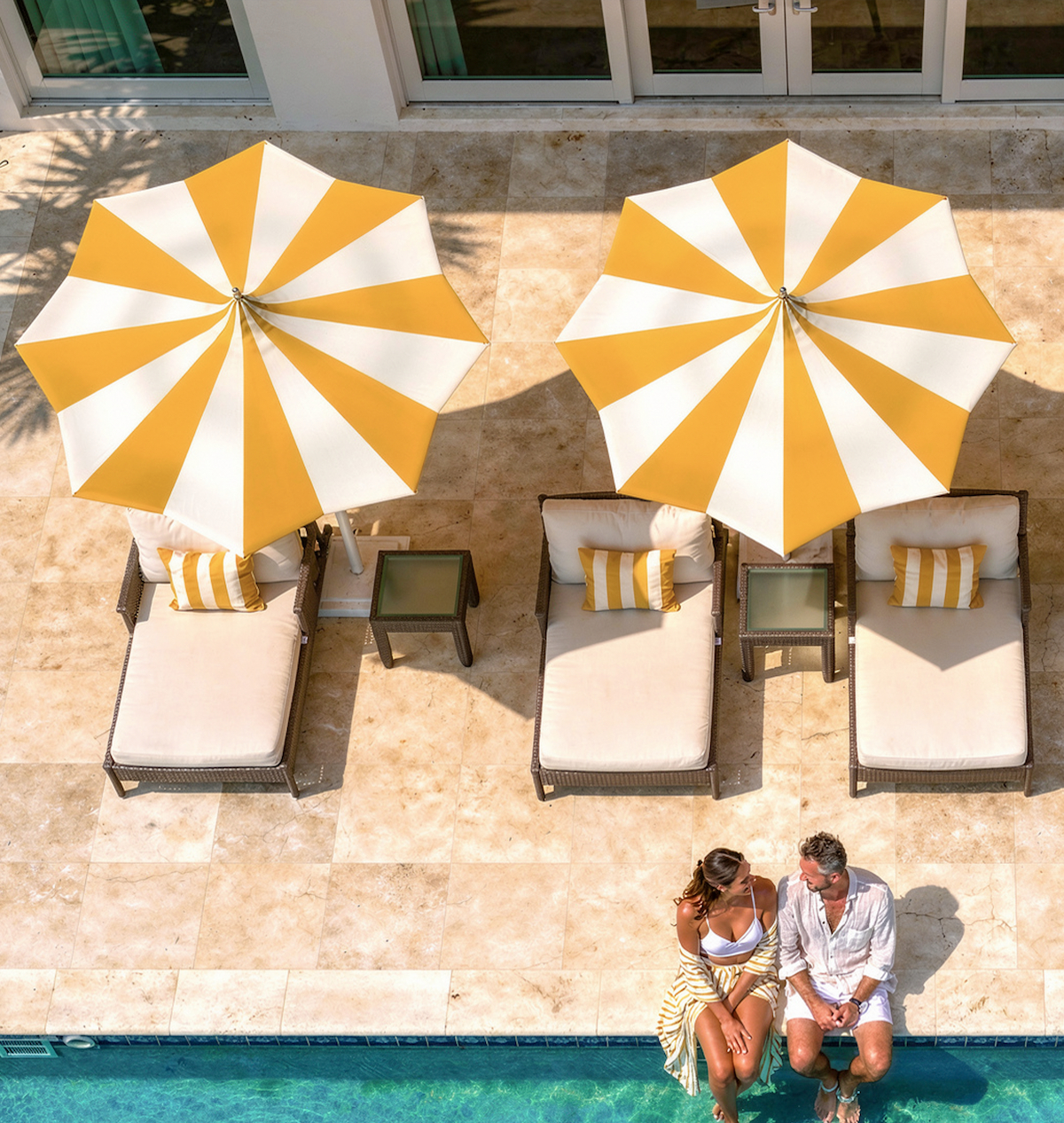
Classic, coastal, or cozy: it’s up to you. Customize your umbrella with three fringe options and eight valance styles to shape the mood of your space.
Customize your umbrella
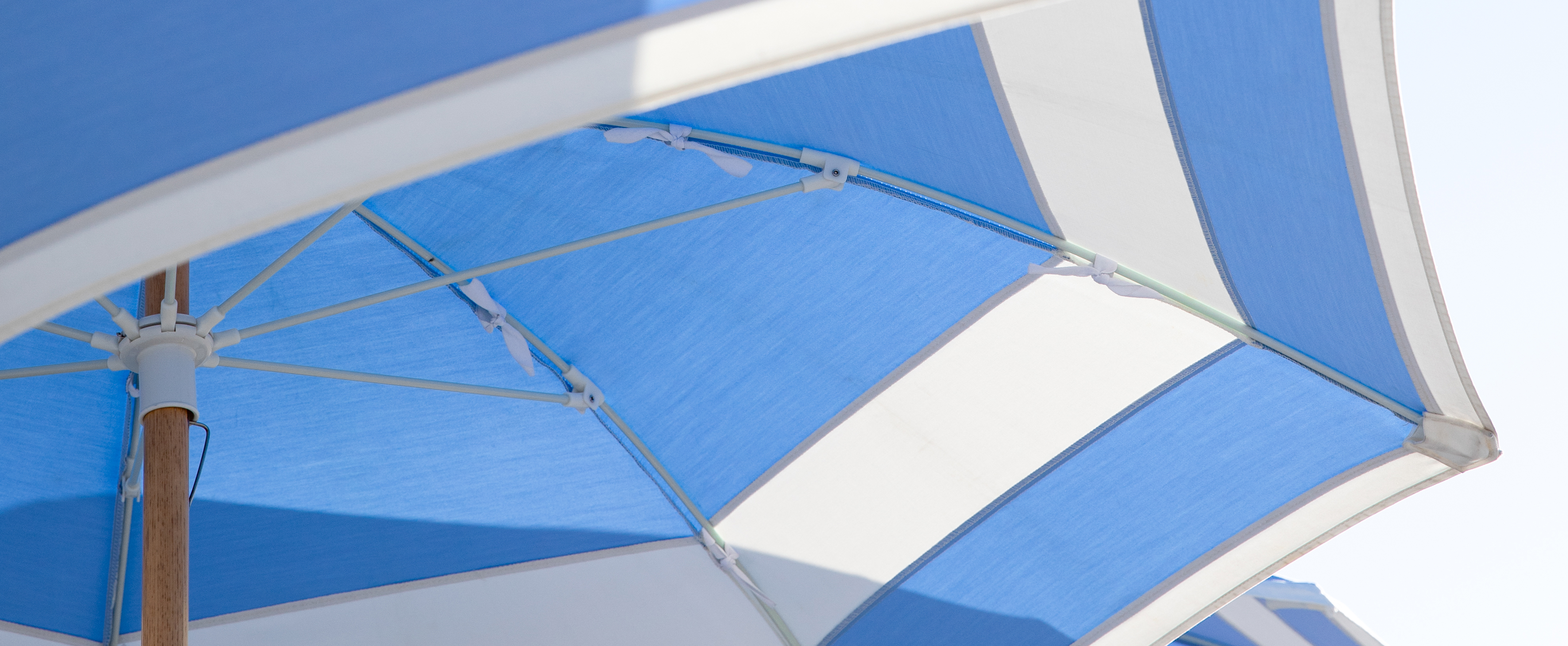
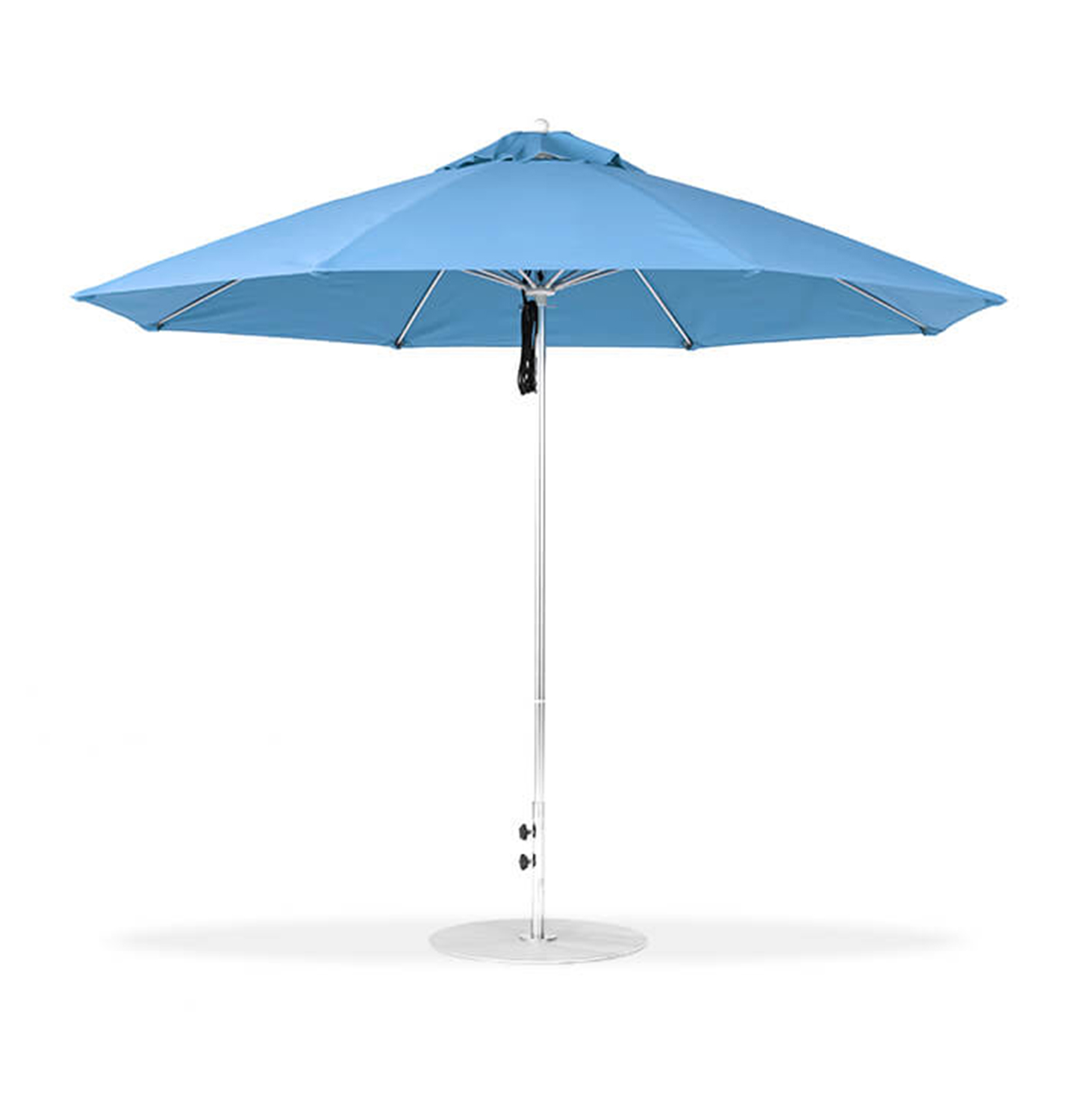
Fiberglass market beach umbrella
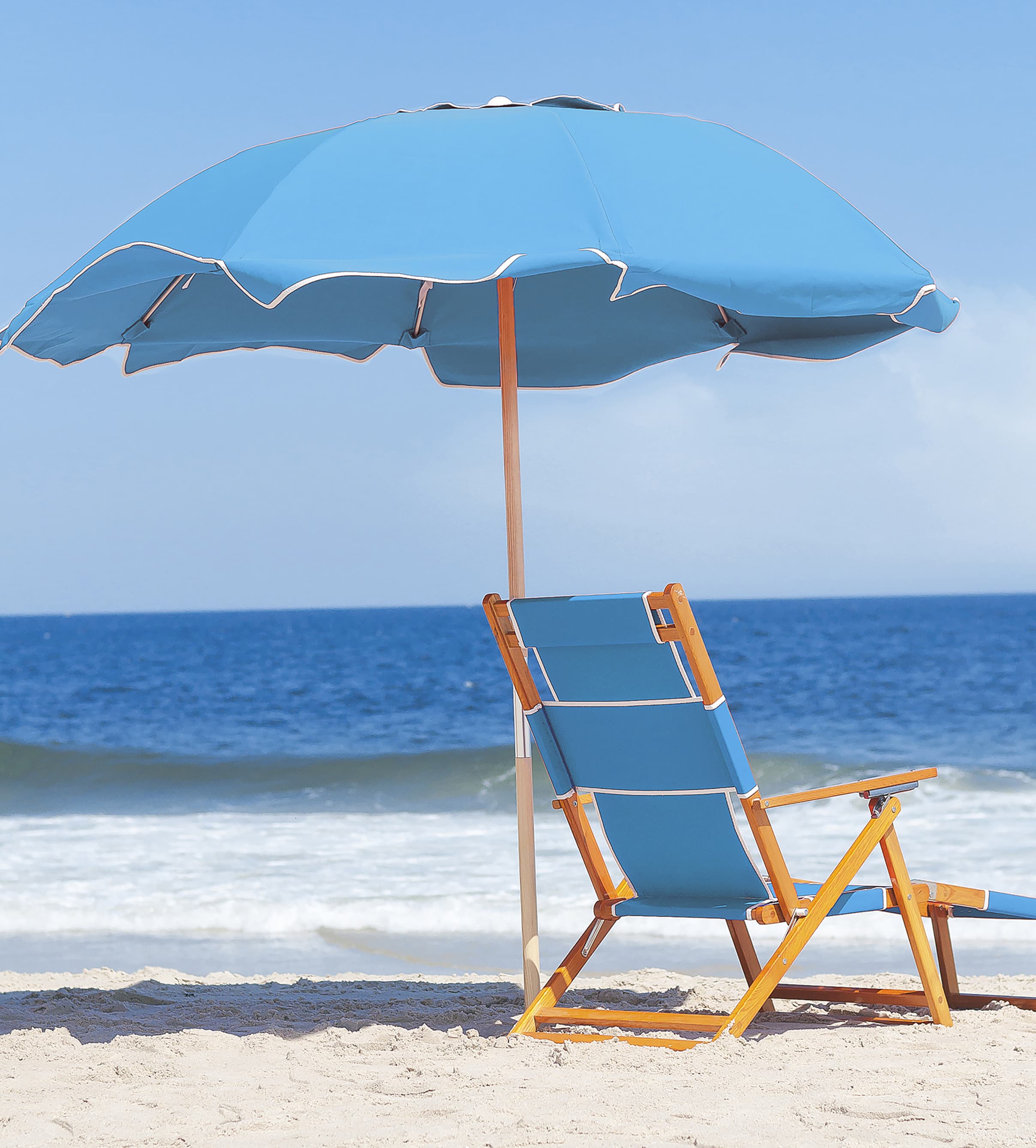
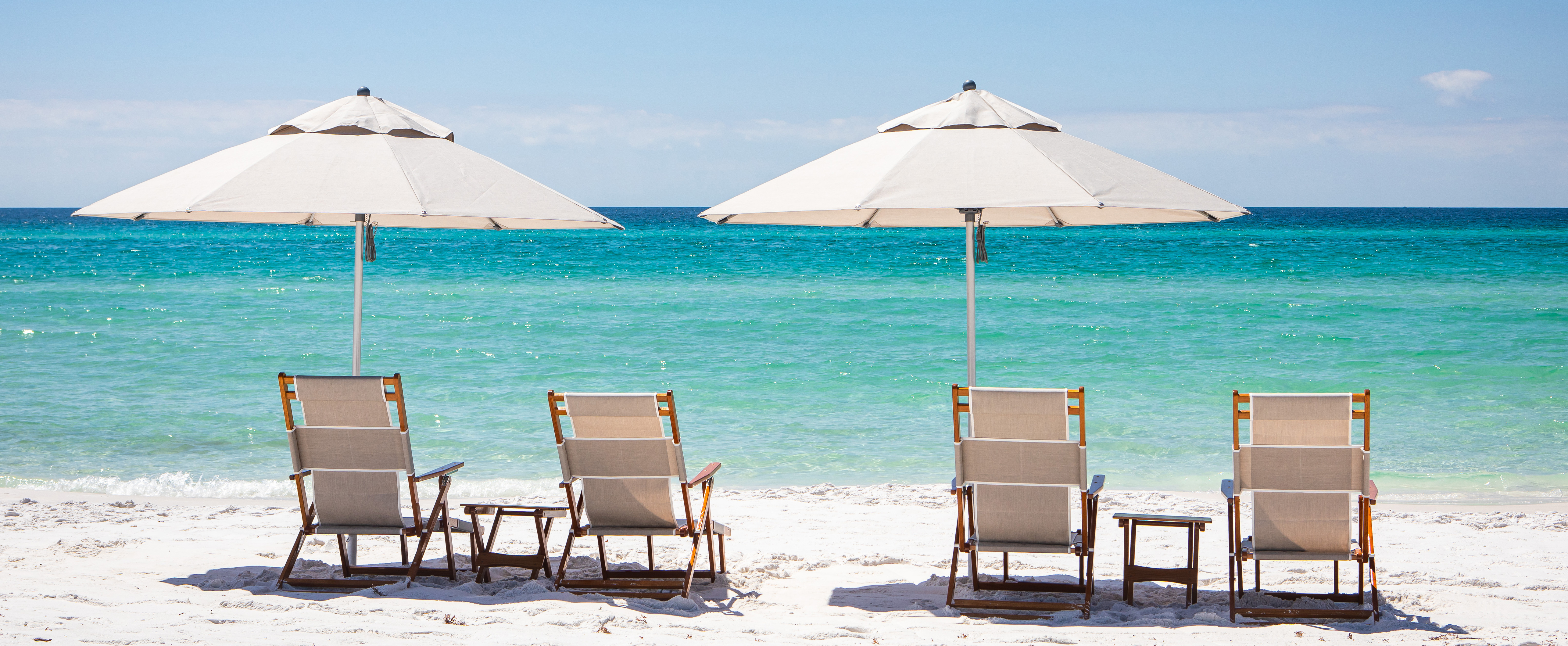
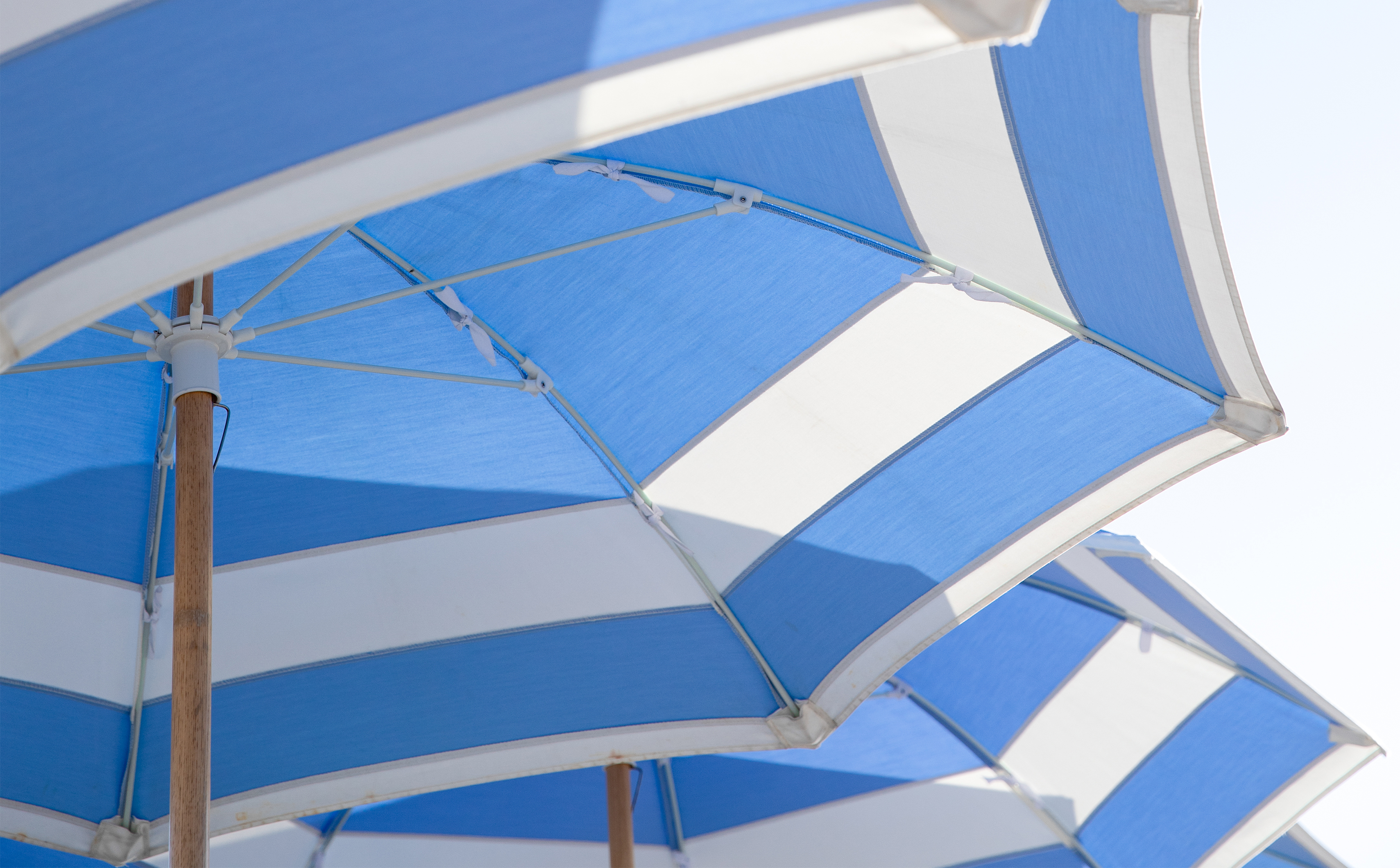
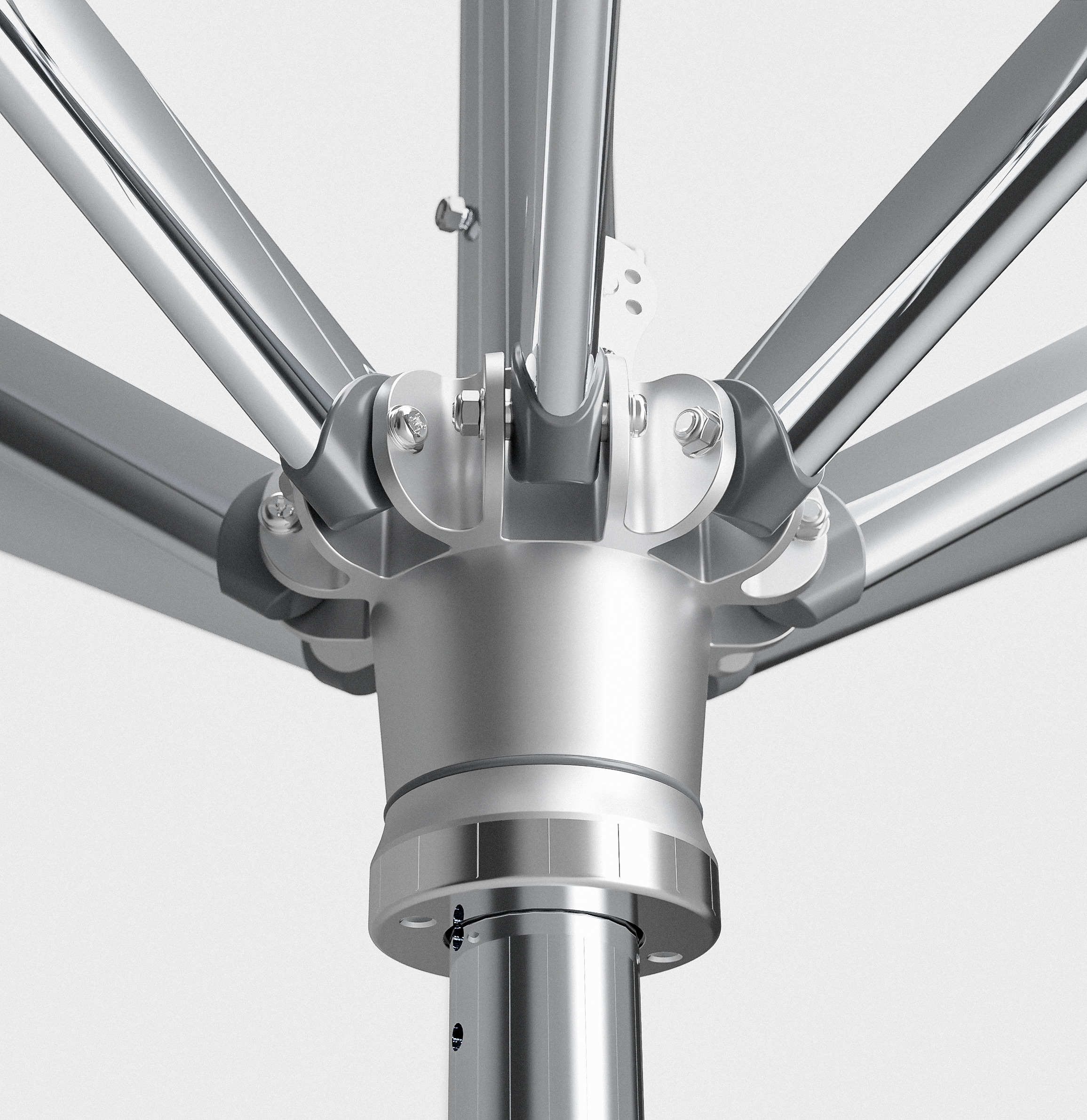
Commercial strength, adapted for the coast. The Monterey Beach brings our renowned fiberglass rib construction and durable aluminum center pole to the sand, pair it with our Sand Anchor system for secure, stable beachfront installation. Designed to flex intelligently in wind while maintaining structural integrity, it delivers elevated shade built for real coastal conditions. It’s the Monterey you know — engineered to stand confidently where wind and salt air demand more.
| Operation | Kernmantle poly-nylon woven rope double pulley system |
|---|---|
| Ribs | 1/2" flexible fiberglass ribs and struts |
| Pole & Hardware | 1.5" diameter aluminum center pole (1/8" wall thickness). Optional bar-height lower pole adds 10" of additional clearance. Stainless steel hardware throughout. |
| Canopy Features | 4-layer fabric protection and closed-stitching pocket |
| Tolerance | Overall dimensions may vary by up to +/- 6" depending on rib pitch, pin placement, fabric tension, and base selection. |
| 7.5’ / 2.3m | 9’ / 2.7m | 11’ / 3.5m | |
|---|---|---|---|
| Overall Height | 98”/248cm | 107”/271cm | 107”/271cm |
| Open Clearance | 72”/182cm | 79”/200cm | 87”/221cm |
| Closed Clearance | 49”/124cm | 48”/121cm | 41”/104cm |
| Weight | 20 lbs./9 kg. | 22 lbs. /10 kg. | 26 lbs. /12 kg. |
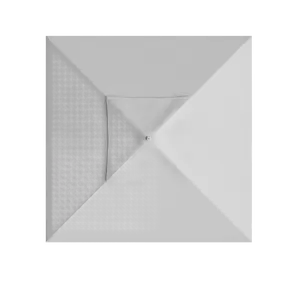
| 6.5’ x 6.5’ / 2m | 7.5’ x 7.5’ / 2.3m | ||
|---|---|---|---|
| Overall Height | 107”/271cm | 107”/271cm | |
| Open Clearance | 79”/200cm | 87”/221cm | |
| Closed Clearance | 48”/121cm | 41”/104cm | |
| Weight | 18 lbs./8.5 kg. | 24 lbs. /11 kg. |
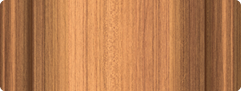 Golden Oak · WG
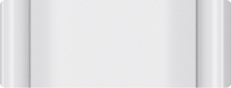 Alpine White · WH
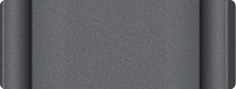 Carbon · CB
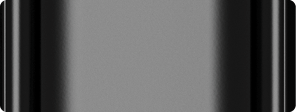 Onyx · BK
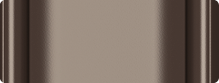 Desert Bronze · BZ
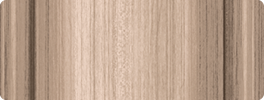 Heather Willow · HW
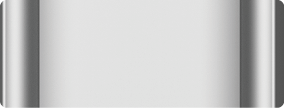 Brushed Silver · MS
 Platinum · SR
Choose from our most popular fabrics here, or browse our extensive catalog of designer options — all made with the highest quality fade resistant and waterproof materials.
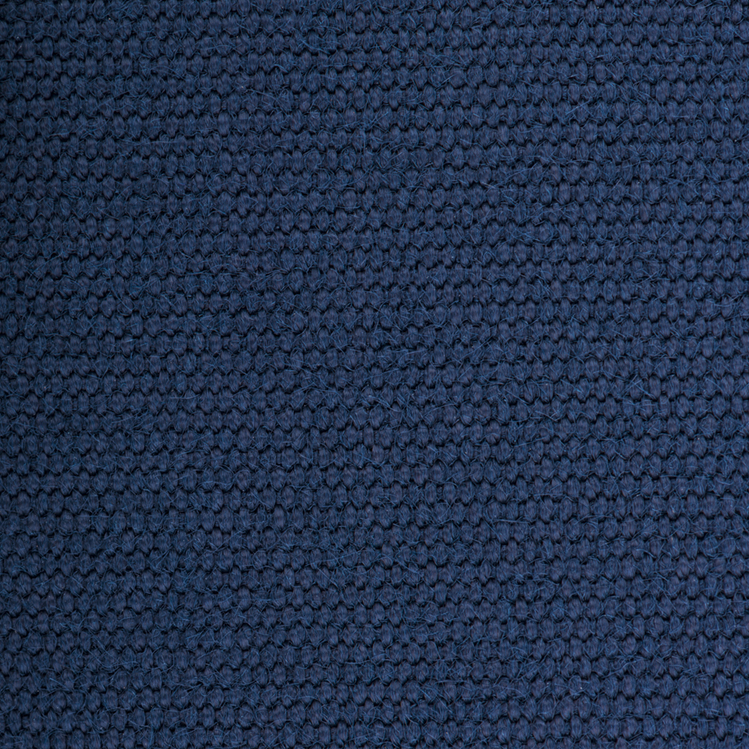 Navy Blue
R-175
Navy Blue
R-175
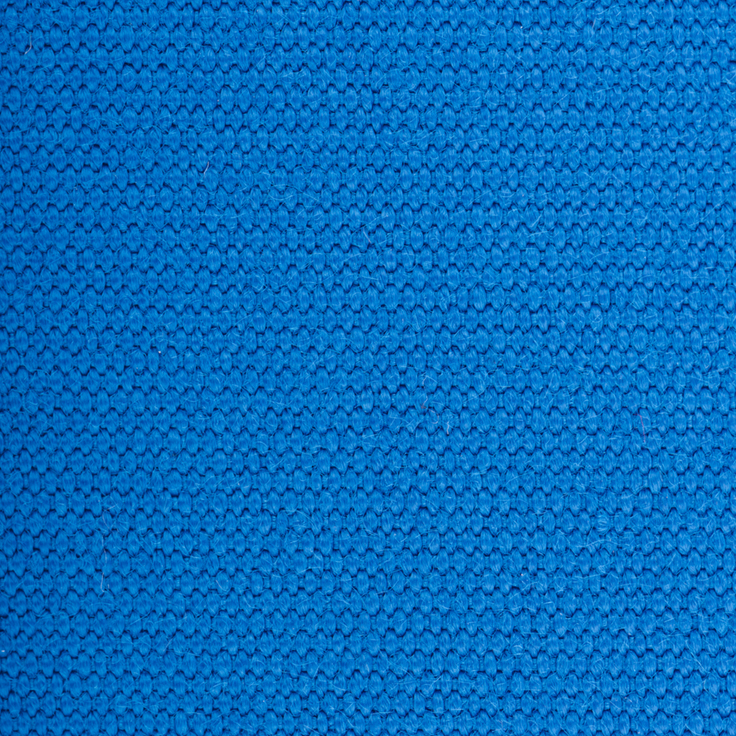 Pacific Blue
R-172
Pacific Blue
R-172
 White
R-099
White
R-099
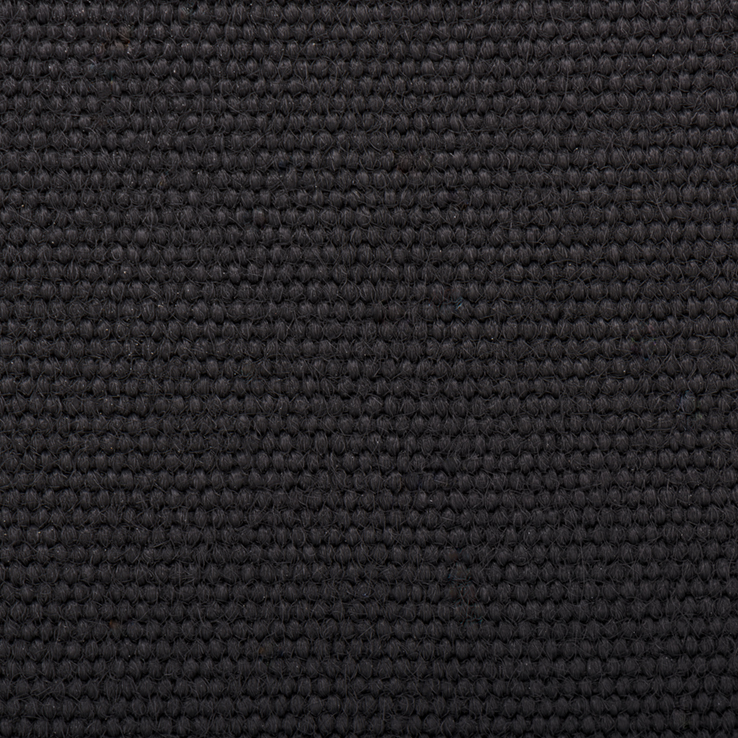 Black
R-103
Black
R-103
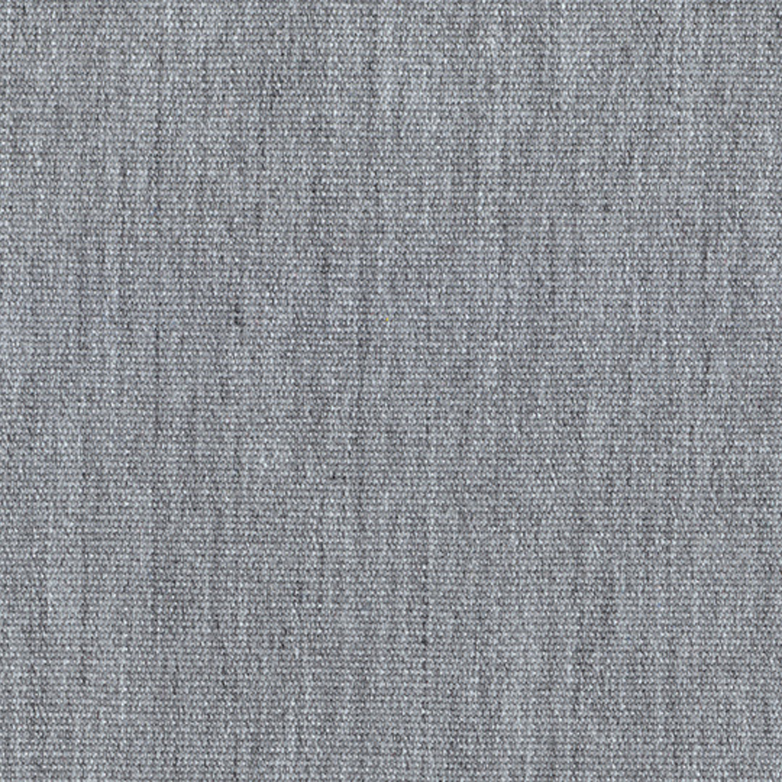 Titanium
R-196
Titanium
R-196
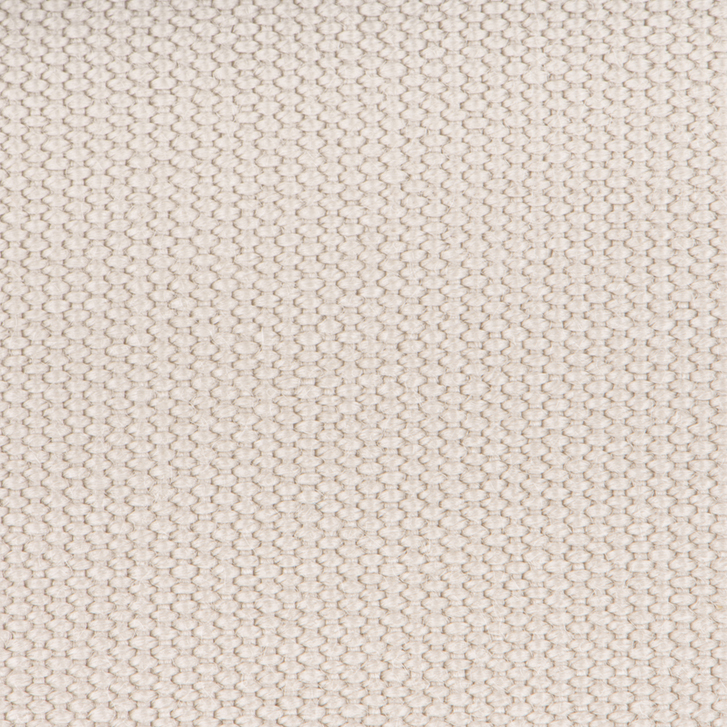 Linen
R-126
Linen
R-126
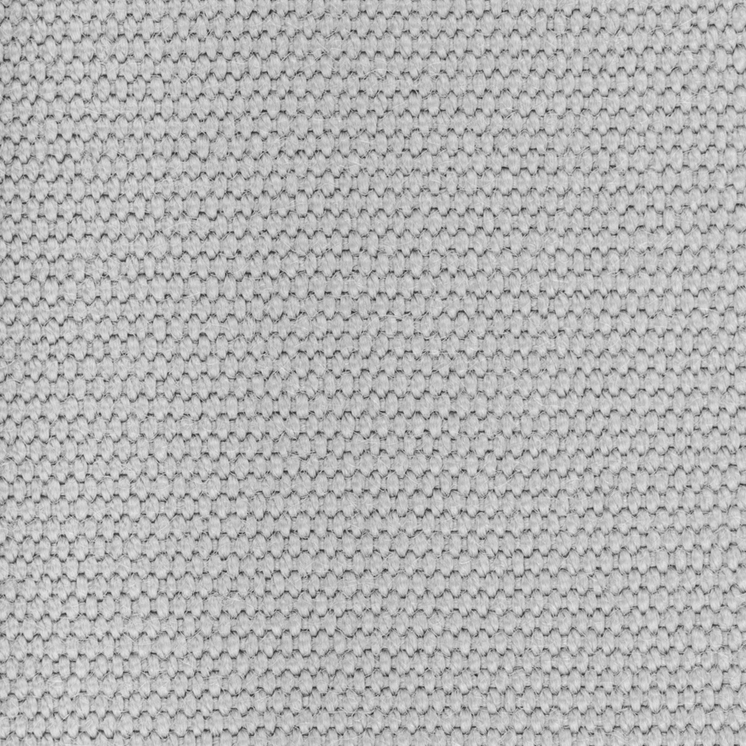 Cadet Grey
R-138
Cadet Grey
R-138
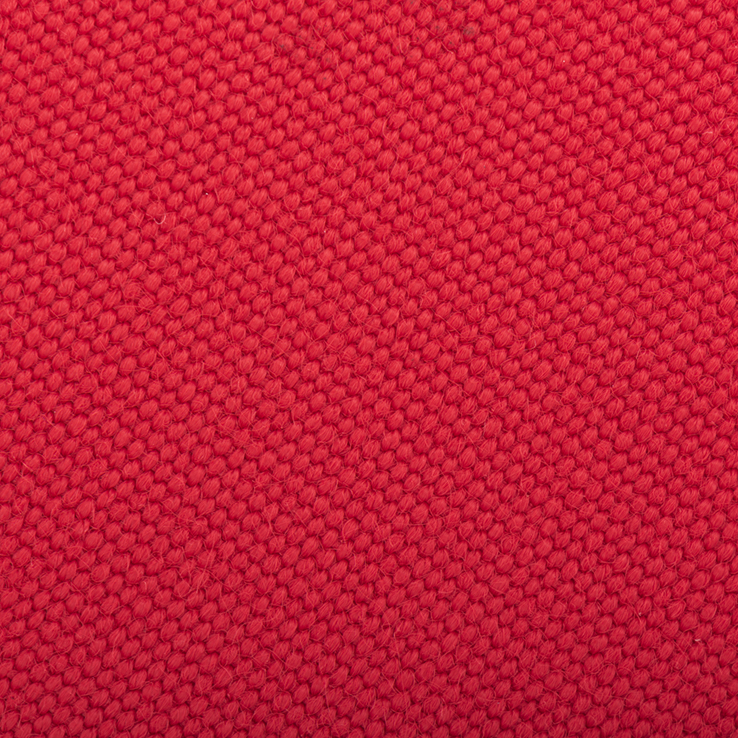 Logo Red
R-176
Logo Red
R-176
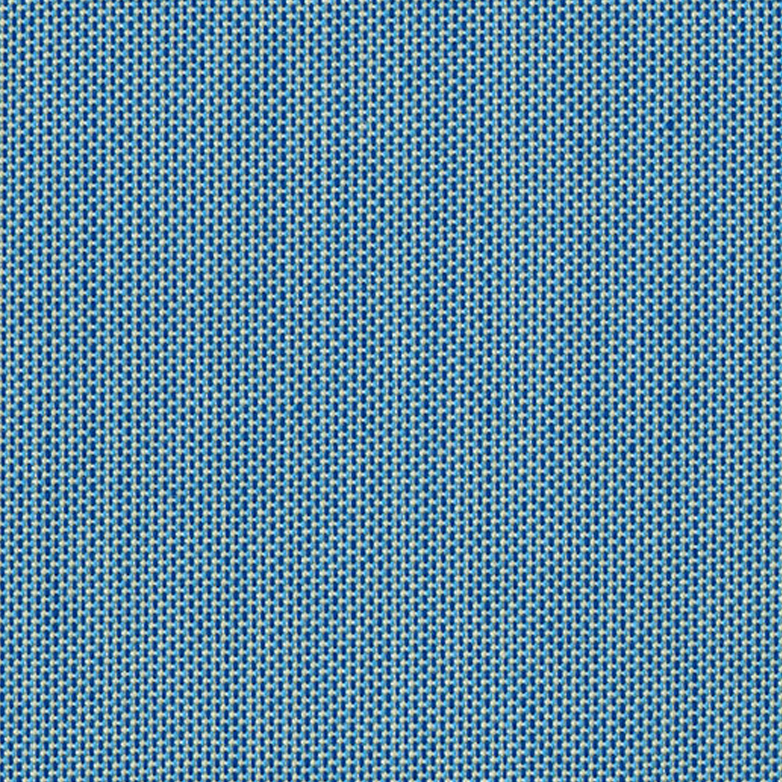 Sapphire
R-229
Sapphire
R-229
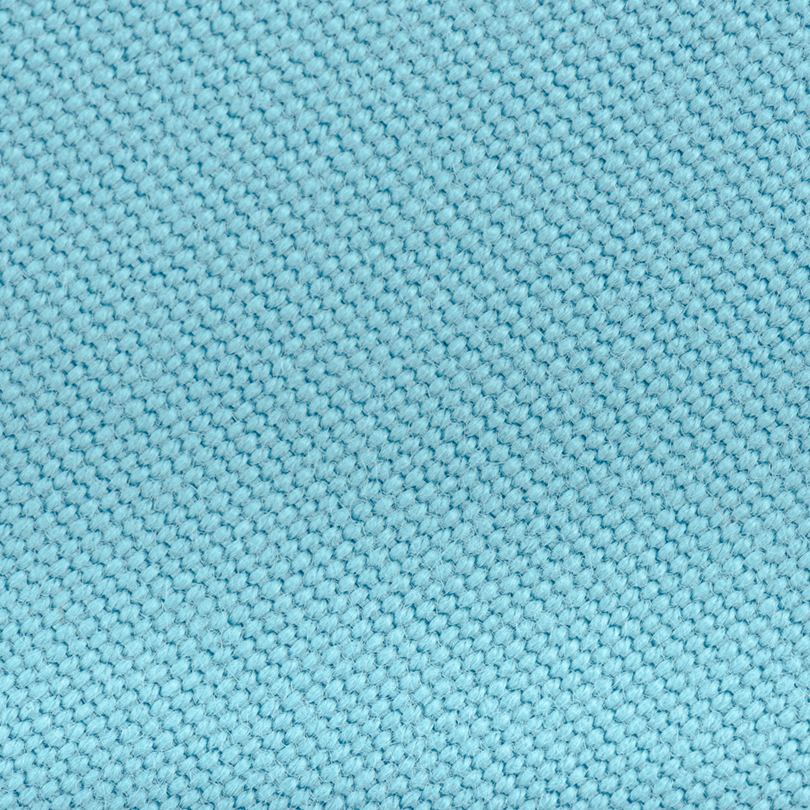 Turquoise
R-171
Turquoise
R-171
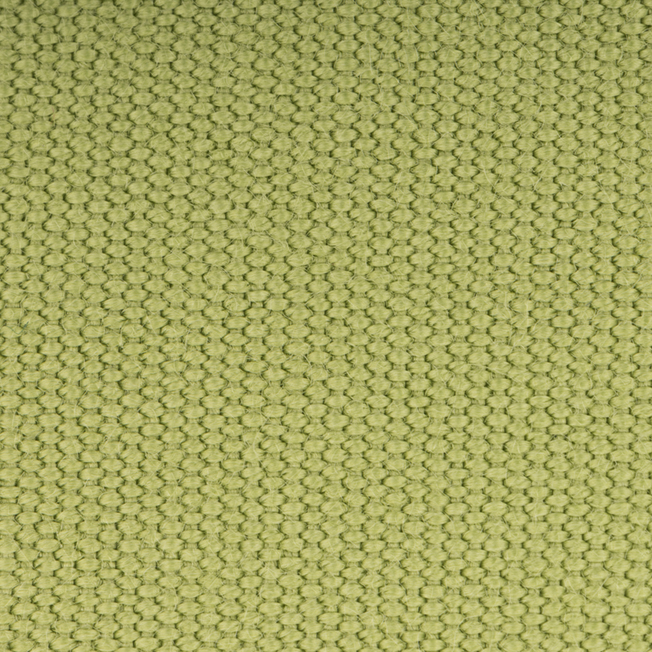 Pistachio
R-160
Pistachio
R-160
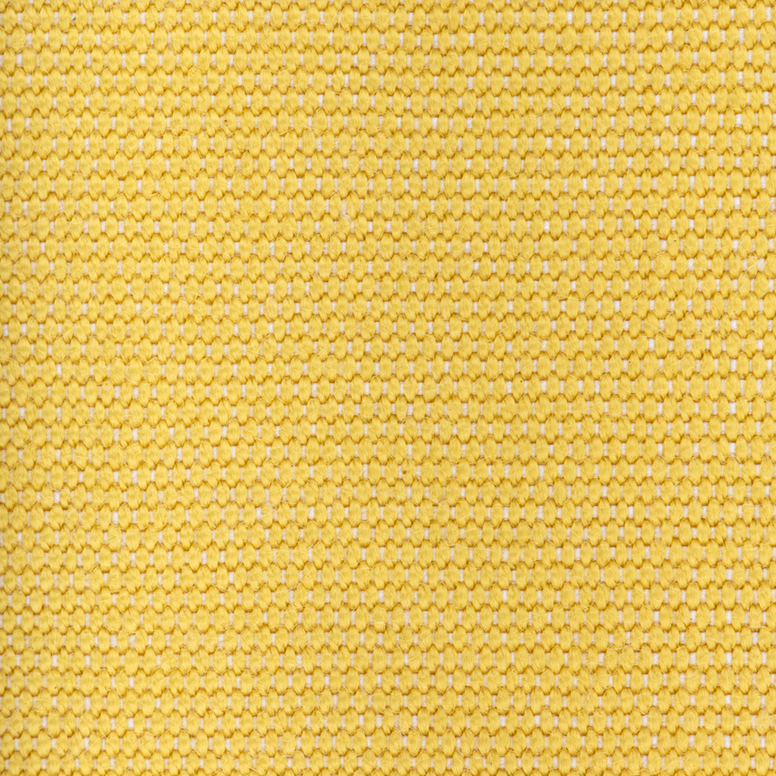 Yellow
R-554
Yellow
R-554
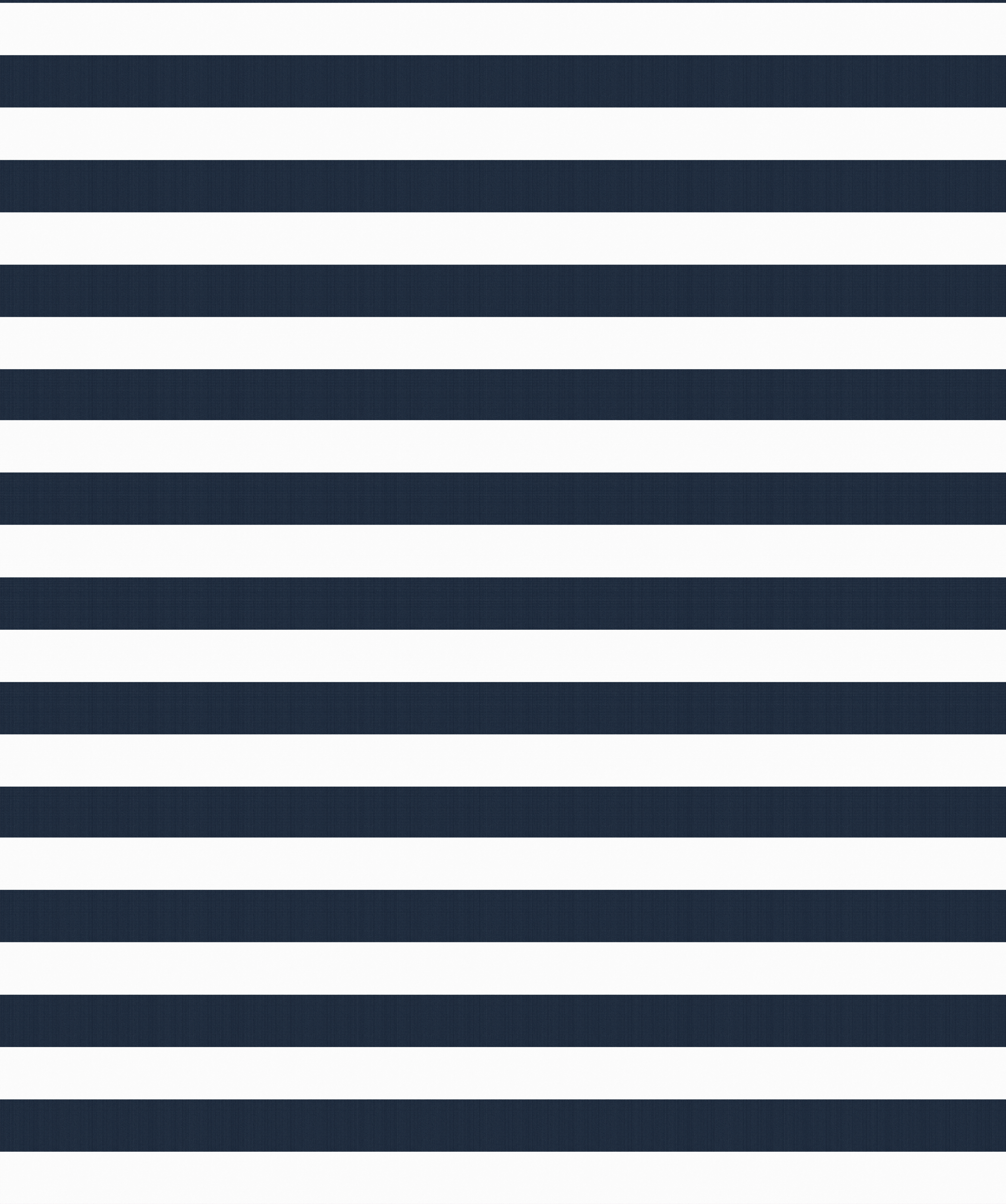 Navy & white
R-065
Navy & white
R-065
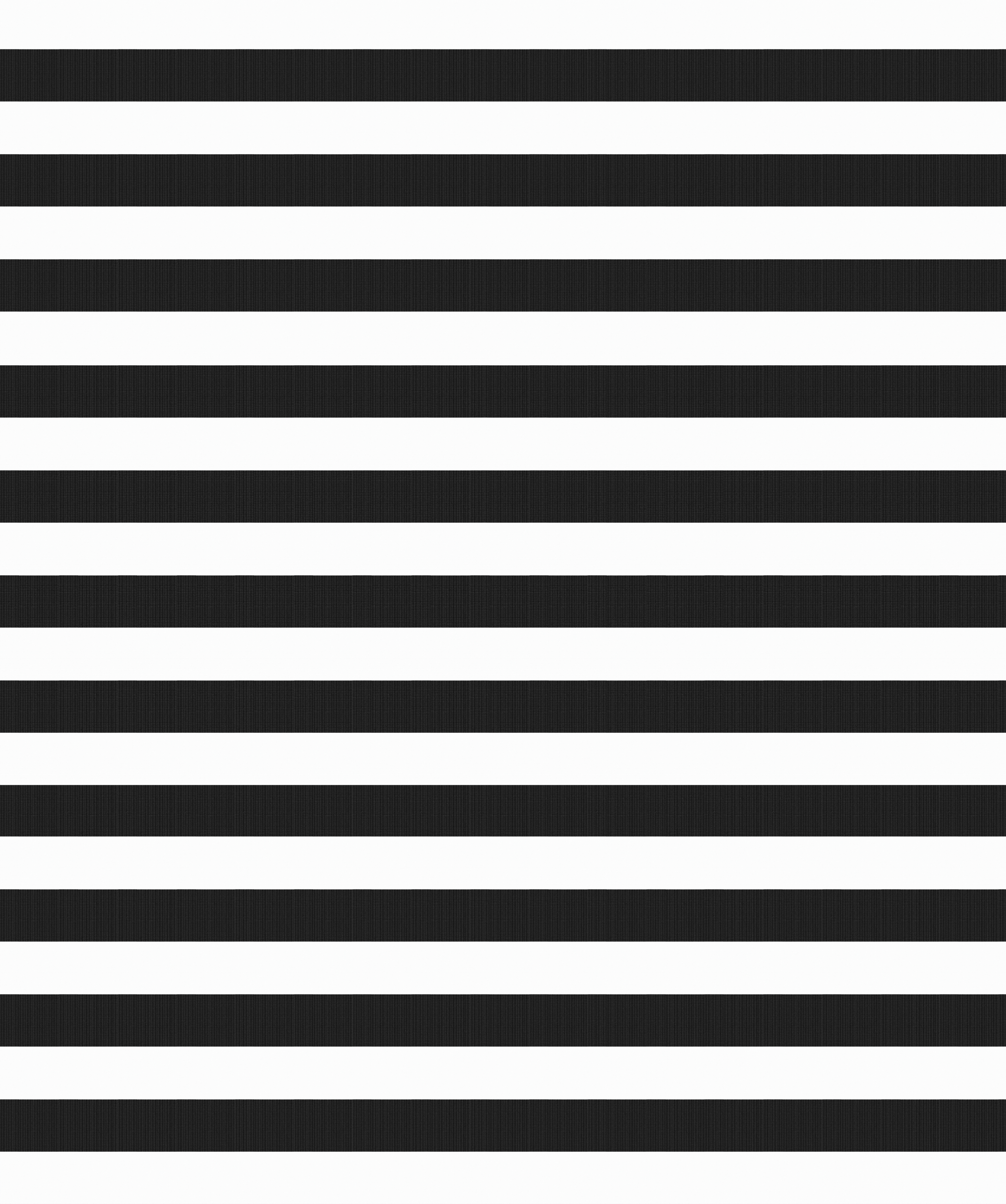 Black & White
R-017
Black & White
R-017
Top your umbrella with one of the default finial options, or personalize the look by choosing an upgrade or alternative style.
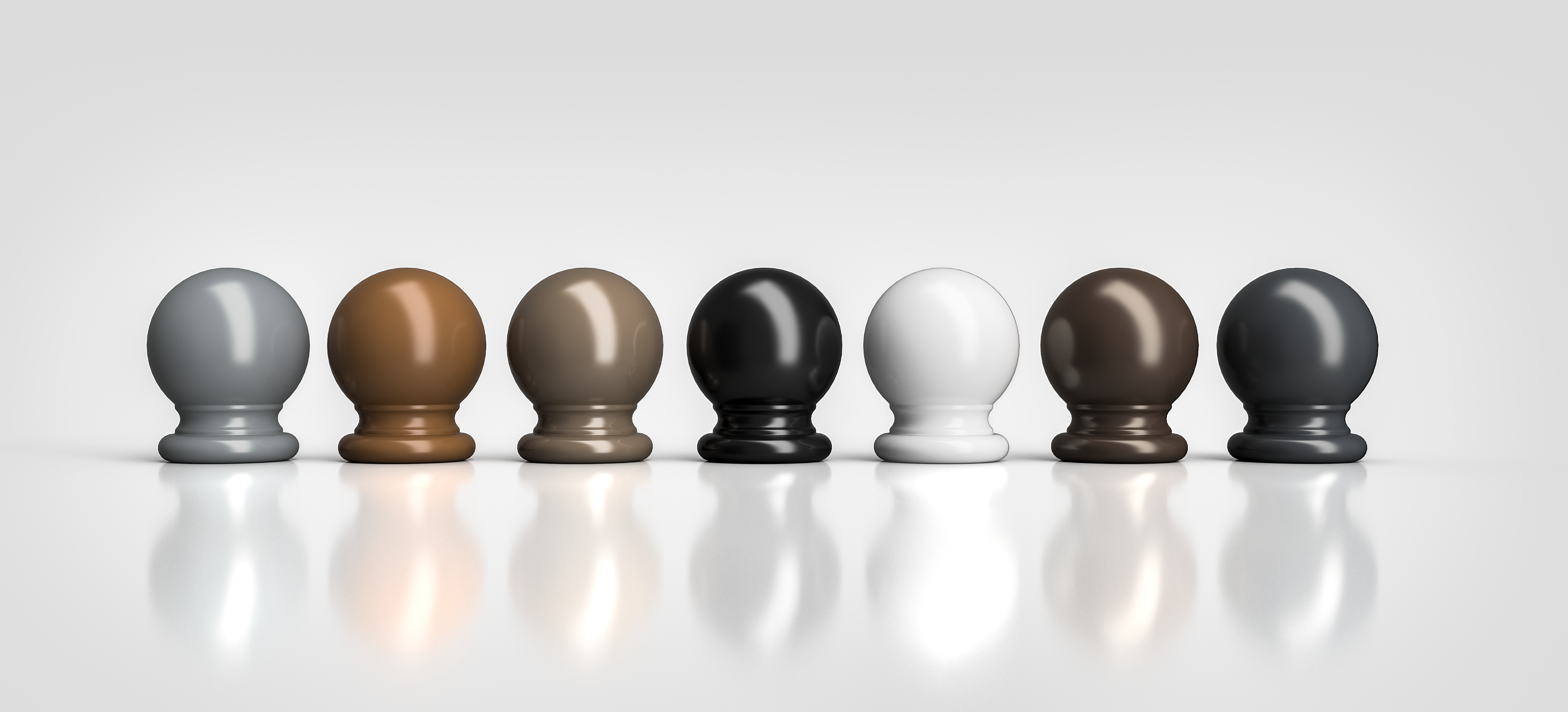 TPU Matching Ball Finial
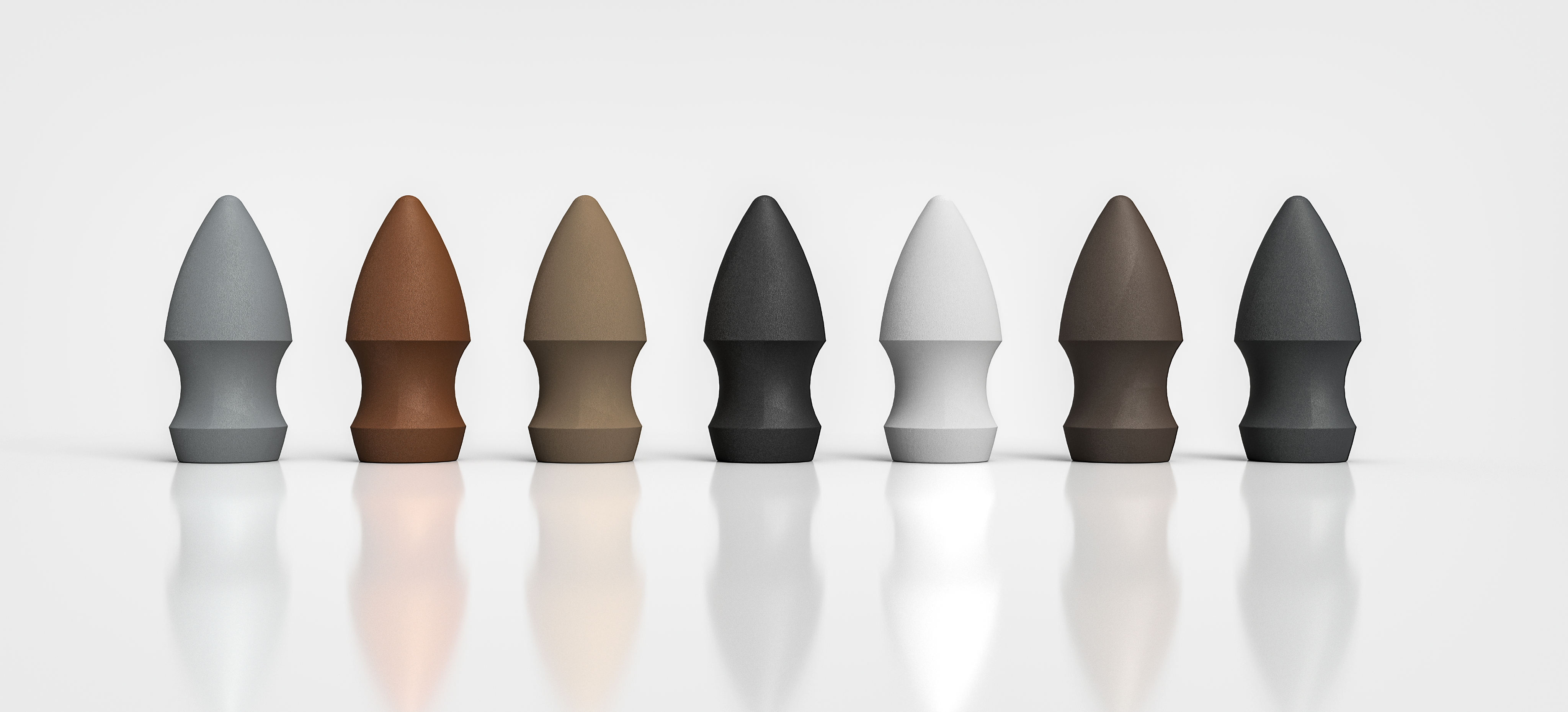 TPU Matching Vertex Finial
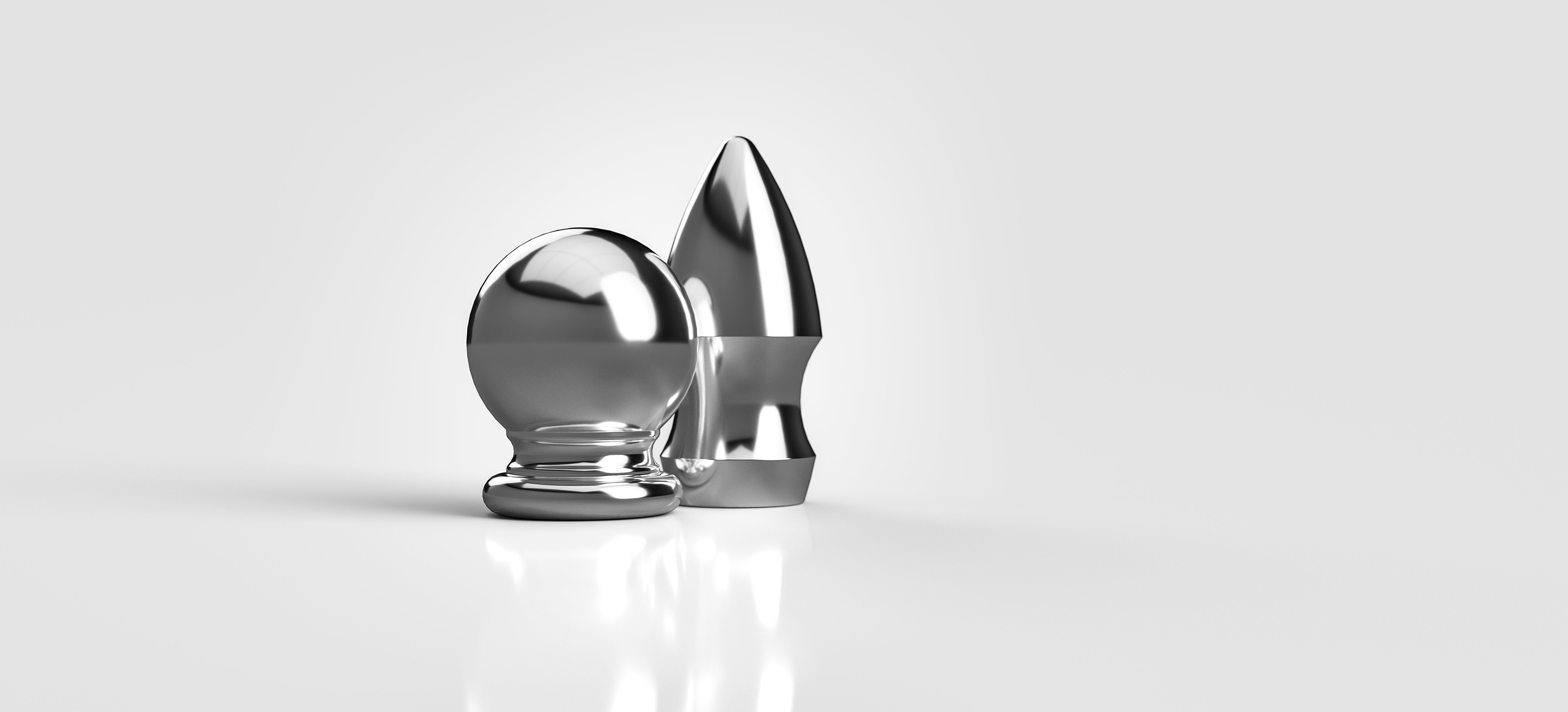 Chrome or Stainless Steel
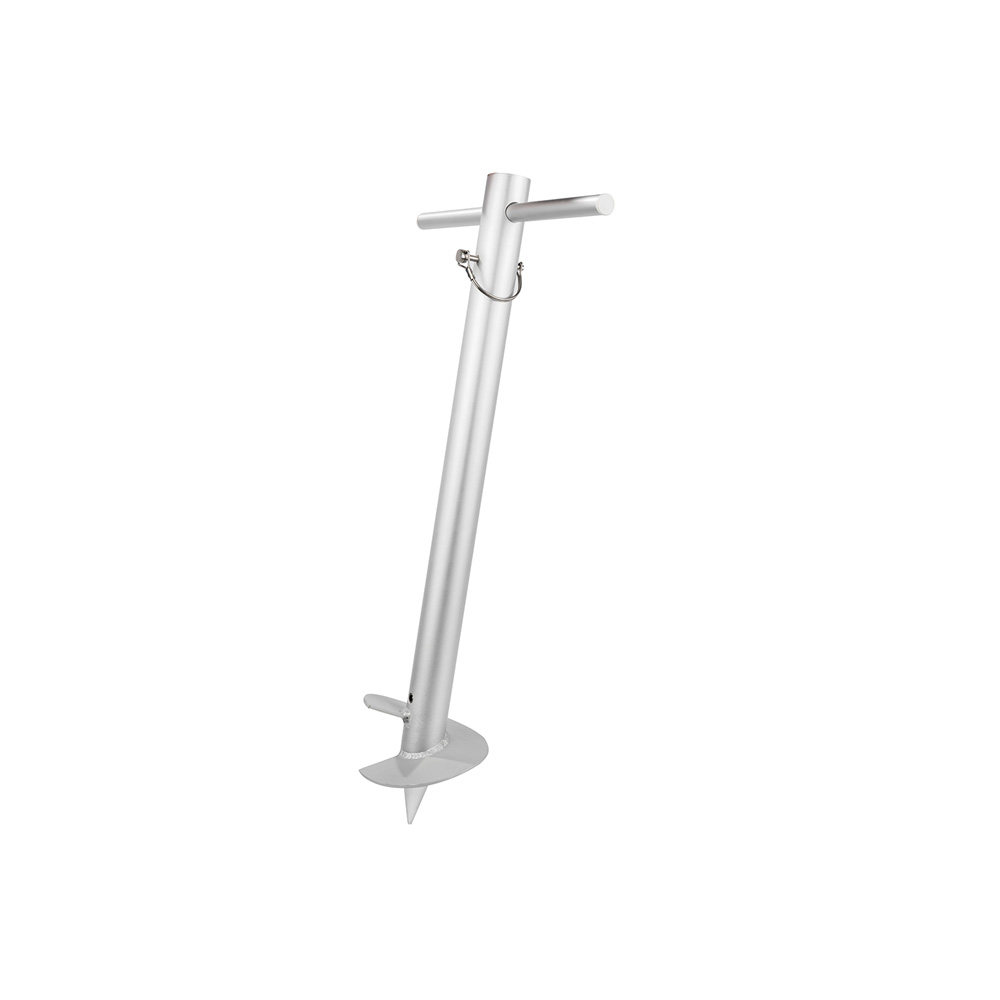
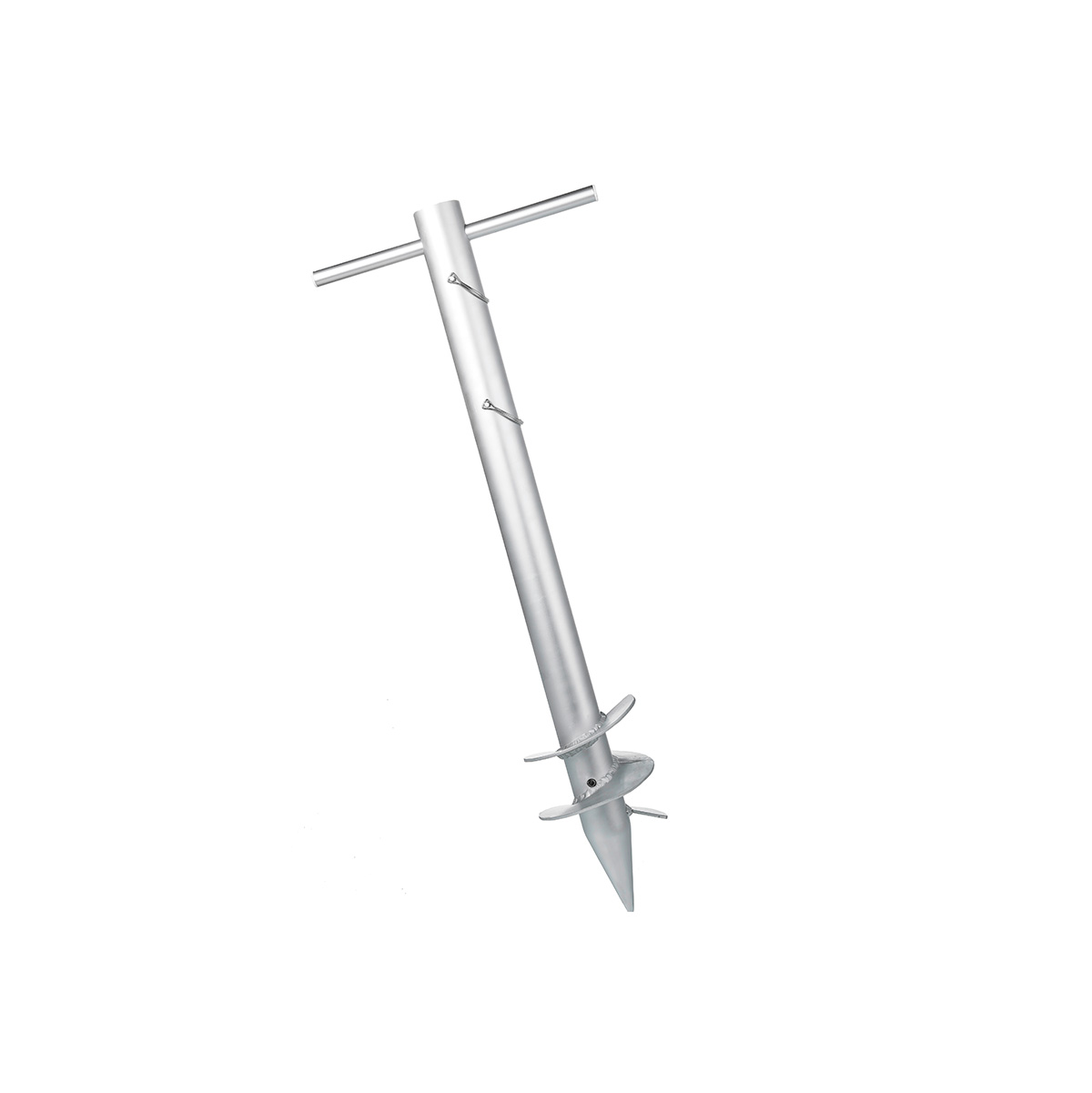
The Monterey Beach works with our Sand Anchor system, designed to secure the umbrella deep into the sand for dependable coastal performance. The 30" auger drives the pole to a safe, stable depth, while the corrosion-resistant aluminum anchor reinforces support.
Crafted from 9 oz. marine-grade acrylic, the Monterey Beach delivers superior UV protection while resisting fading, mold, and mildew. Unlike lighter furniture-grade fabrics that stretch or sag, this canopy is engineered to hold its color and structure over time.
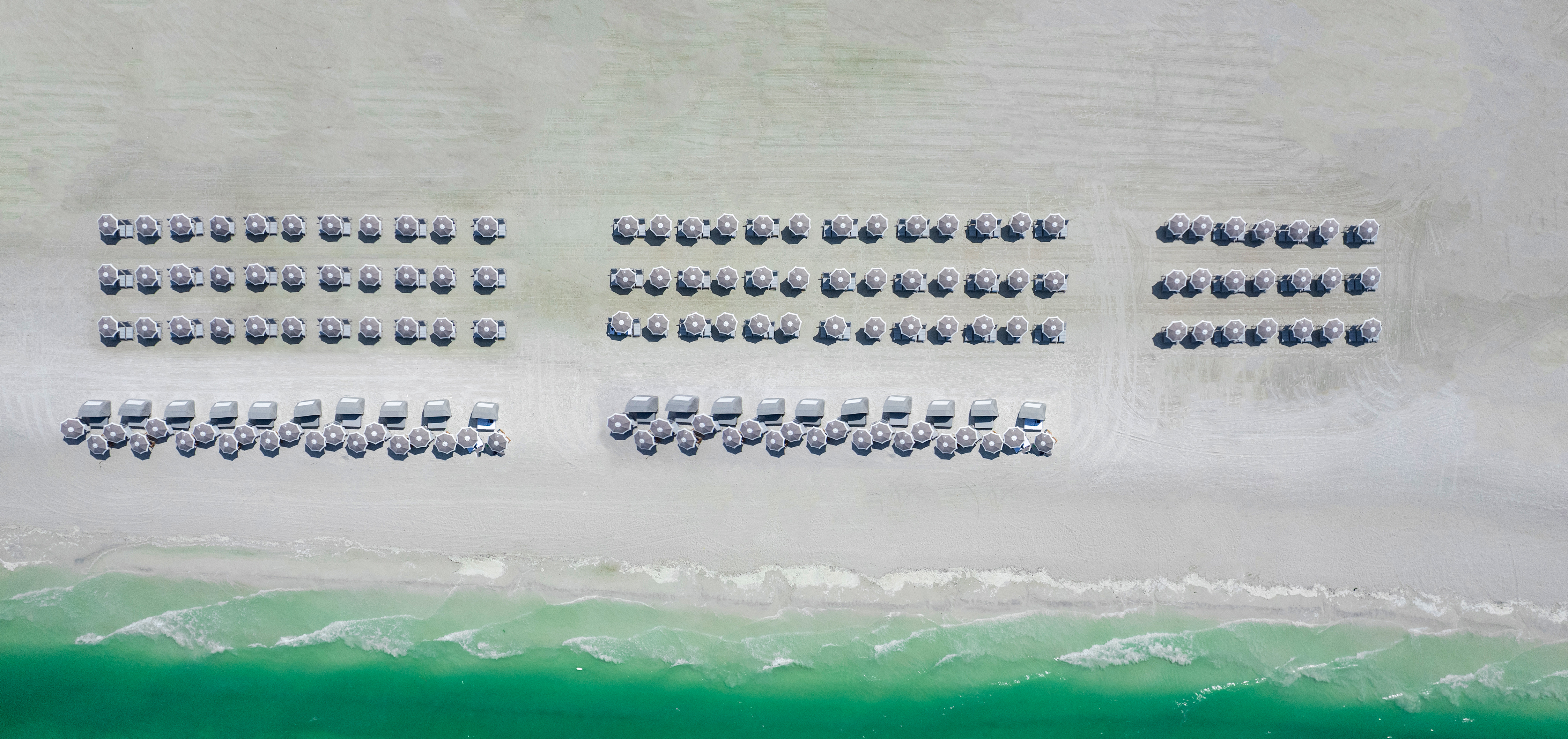
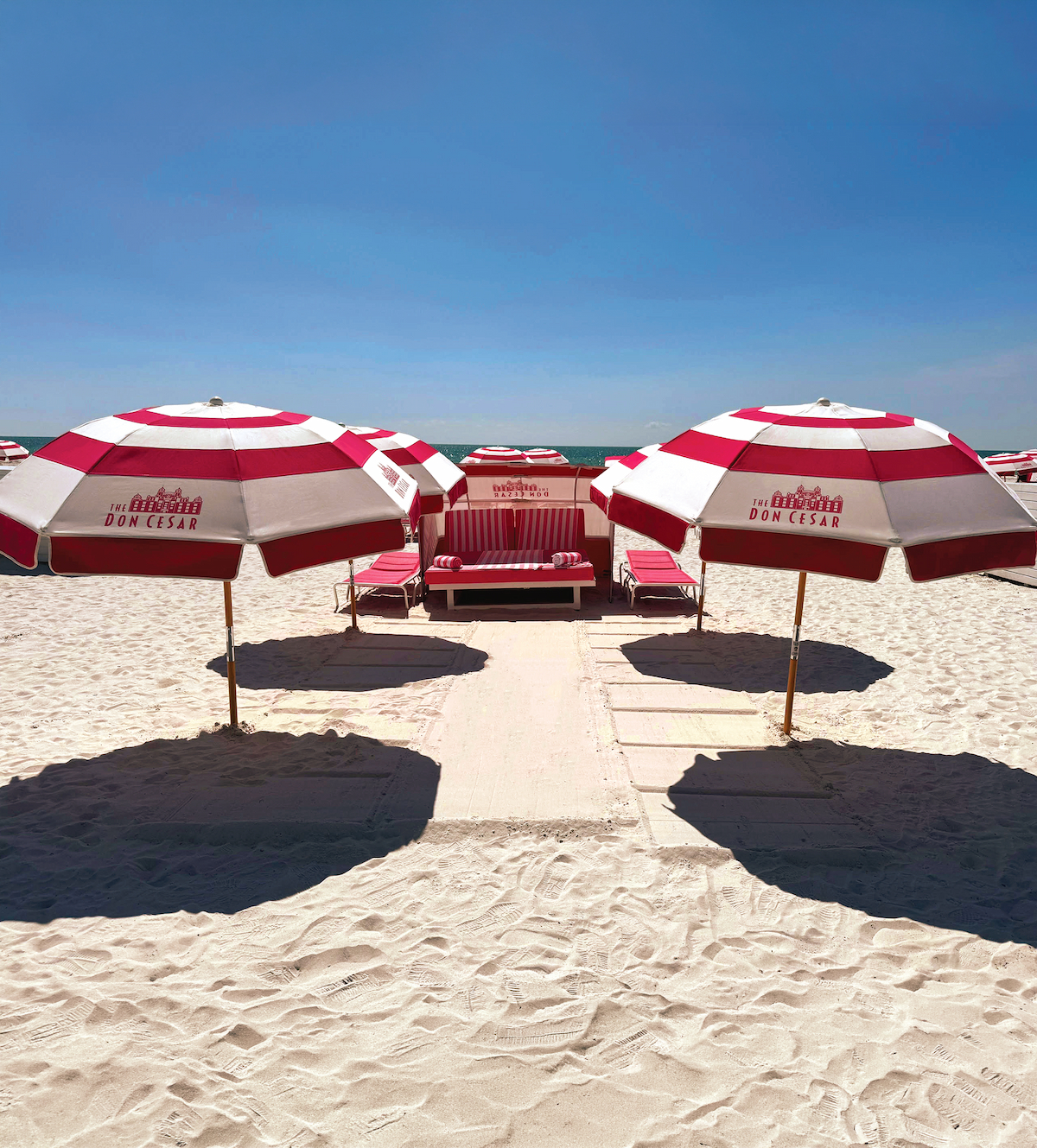
Classic, coastal, or cozy: it’s up to you. Customize your umbrella with three fringe options and eight valance styles to shape the mood of your space.
Customize your umbrellaTurn shade into a signature with precision-applied logos built to stand out and stand up to the elements.
Elevate your BrandTailored protection designed to extend the life of your umbrella through every season.
See our Protective CoverMarine-grade fabrics, technically referred to as solution-dyed acrylics, are manufactured by adding color to the fibers before they are spun into yarn and woven into fabric. This process allows color to become an integral part of the fiber rather than a surface treatment.
As a result, marine-grade fabrics are engineered to perform in demanding outdoor and coastal environments. They offer excellent resistance to prolonged UV exposure, moisture, mildew, salt air, and airborne contaminants. When used on outdoor shade products, these fabrics provide superior color retention, durability, and long-term performance compared to standard outdoor fabrics.
Frankford Umbrellas specifies marine-grade fabrics to help ensure its umbrellas maintain their appearance, structural integrity, and performance over time—particularly in high-sun, high-humidity, and coastal applications common in hospitality and commercial settings.
Commercial-grade umbrellas are built to withstand frequent use and more demanding environmental conditions than residential models. Key differences typically include heavier-duty frame construction/center pole/mast, reinforced components, upgraded hardware, and high-performance fabrics designed for longevity.
Ours are engineered for use in hospitality, foodservice, resort, and public environments where durability, stability, and consistent performance are essential.
An in-table base is designed to be used in combination with a table, where the table contributes to the overall stability of the umbrella. They often range anywhere from 50-80 lbs. and usually do not exceed 12” in height.
Several of the base options in our catalog offer an 8” stem for use underneath a table OR an 18” stem for free-standing use.
A freestanding base supports the umbrella independently and must provide sufficient weight to safely secure the umbrella without assistance from furniture.
Choosing the right base depends on several factors, including umbrella size, frame type, canopy style, wind exposure, and whether the umbrella will be installed through a table or used as a standalone unit. Consulting product specifications and base recommendations is essential to ensure proper performance.
For a complete guide to choosing an appropriate base, refer to the umbrella base guides published in our latest catalog.
Frankford’s standard lower pole measures 37", which is suitable for most standard table and freestanding applications. We also offer a bar-height lower pole measuring 47", which increases the overall height of the umbrella and provides approximately 10" of additional clearance when the canopy is open.
Bar-height poles are most commonly used when an umbrella is installed through the center of a bar-height or pub-height table. In some cases, customers also choose a bar-height pole for freestanding installations simply to achieve a higher canopy position based on personal preference or site conditions.
Frankford offers design-assist support through the Shade Designer, an interactive 3D visualization tool created to help designers and specifiers develop and refine custom umbrella configurations. The platform allows users to explore a wide range of canopy styles, fabric colors and patterns, trim options, and binding details in real time. Upon completing your design, you can download a spec sheet to share with your client.
The Shade Designer supports early-stage design development. Final specifications and project documentation are coordinated through authorized Frankford Umbrella dealers as part of the quoting and ordering process.
The primary difference between market and patio-style umbrellas lies in their canopy shape and overall aesthetic, rather than performance.
A patio-style umbrella features a softer, rounded canopy profile and typically includes a valance. This design offers a classic, traditional appearance and is commonly specified for hospitality environments such as restaurants, resorts, and pool decks, where a timeless look is desired. Very popular in the U.S. northern beach towns.
A market-style umbrella has a more structured, angular canopy shape and is usually designed without a valance. This cleaner, more rigid silhouette is popular among clients seeking a modern or contemporary aesthetic and is often specified for design-forward commercial spaces as well as residential applications.
At Frankford Umbrellas, both market and patio styles are available across select product lines, allowing designers and purchasers to choose the look that best complements their space while maintaining commercial-grade construction and performance.
A general rule of thumb is to choose an umbrella canopy that extends at least 24 inches beyond the edge of the table on all sides. This provides adequate shade coverage for seated guests while keeping the umbrella proportionate to the table.
For example:
A 48"–54" round table typically pairs well with a 7.5'–9' umbrella
A 60" round or rectangular table generally requires an 11' umbrella
Larger tables or multiple seating arrangements may require 13' or larger canopies
When selecting an umbrella, it’s also important to consider:
The number of chairs and how far they extend from the table
Whether the umbrella will be used in a commercial or high-traffic environment
Wind exposure and base requirements
Clearance needed for opening, closing, and tilting the umbrella
At Frankford Umbrellas, umbrella sizing recommendations vary by model and application. Consulting product specifications and base guidelines helps ensure proper shade coverage, stability, and long-term performance.