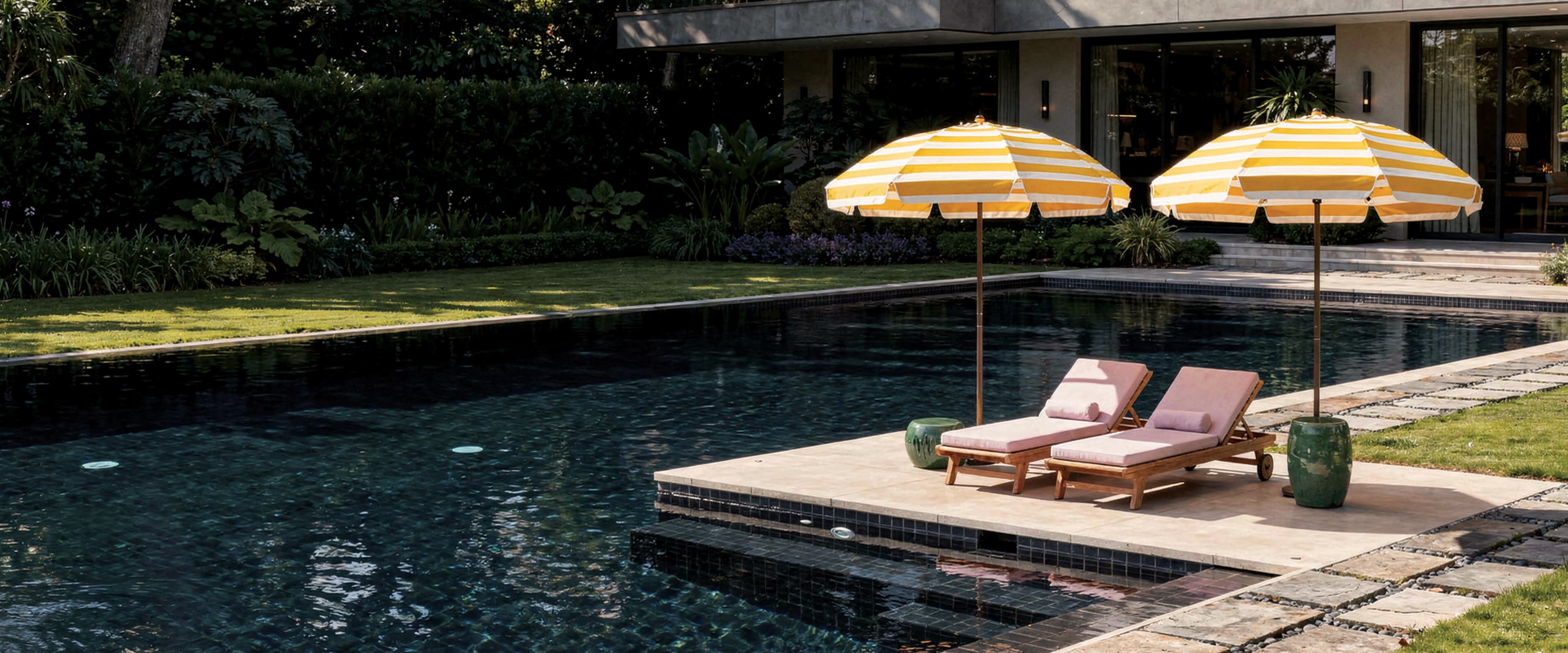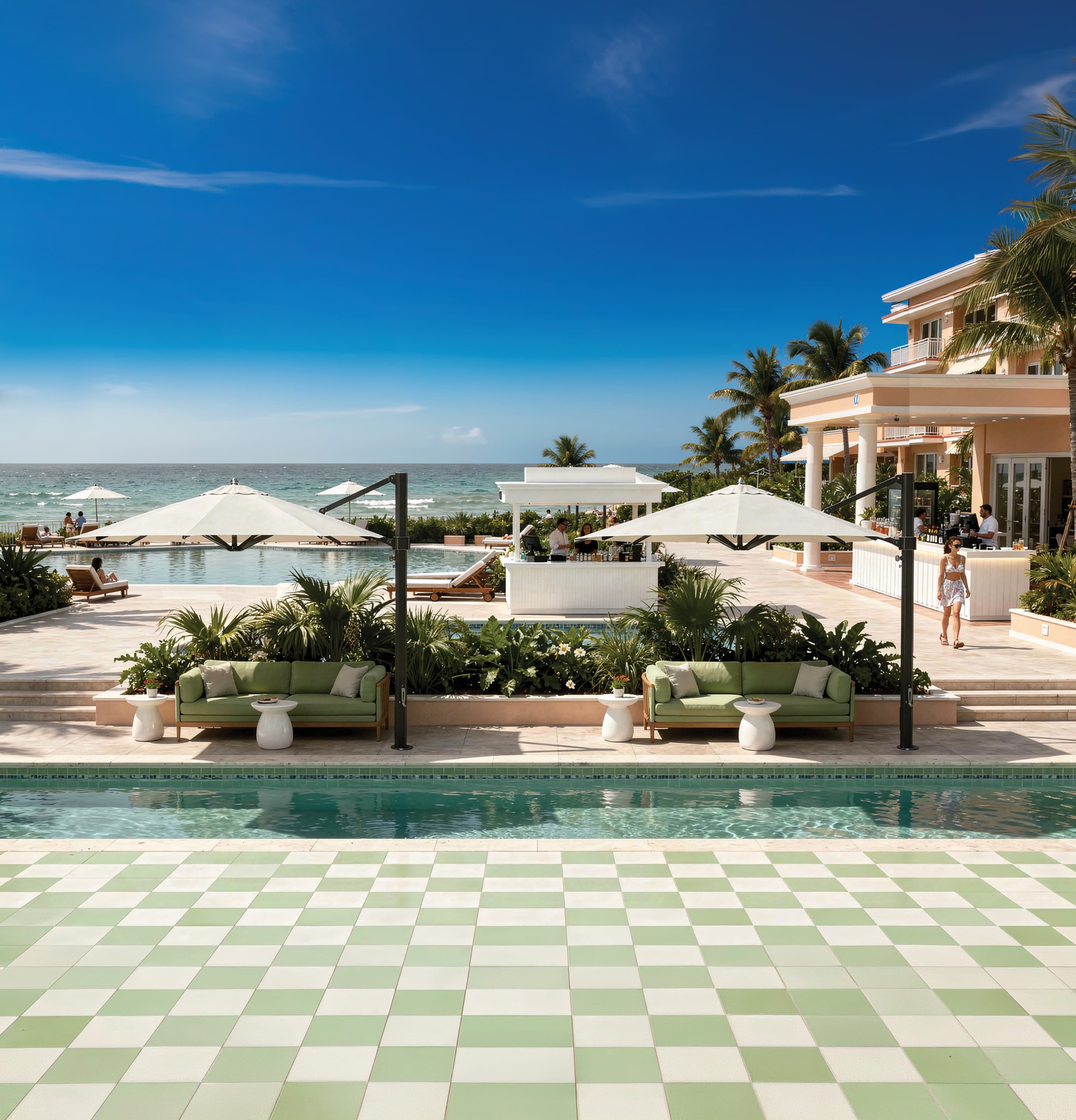
Walk into a high-end resort, and everything feels intentional.
The layout flows. The materials are consistent. The space feels both relaxed and refined at the same time. Nothing is out of place, and nothing feels overlooked.
That includes the shade.
In the best outdoor environments, shade isn’t treated as a last-minute addition. It’s part of the experience from the very beginning.
It Starts with the Guest Experience
At its core, outdoor shade is about comfort.
A well-placed umbrella can transform a space, turning a too-hot patio into a place guests want to linger. It softens the intensity of the sun, creates usable zones, and makes outdoor areas feel inviting rather than exposed.
But it goes beyond temperature.
Thoughtful shade creates a sense of care. It signals that every detail has been considered, that the guest experience doesn’t stop at the door.
Guests may not consciously register the umbrellas around them. But they feel the difference. And they remember how the space made them feel.
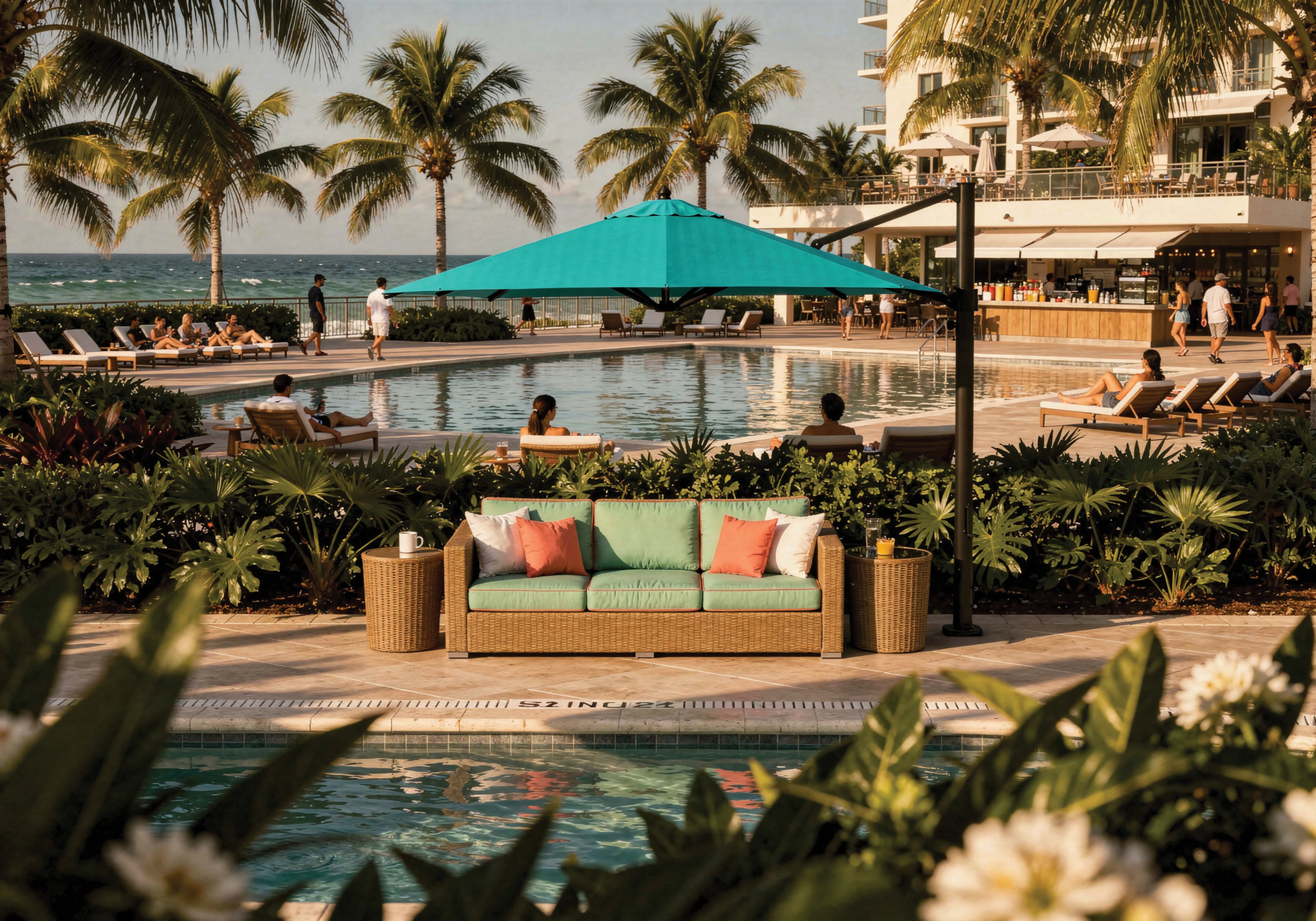
Consistency Is What Creates “Luxury”
One of the clearest differences between average and exceptional outdoor spaces is consistency.
In luxury resorts, umbrellas aren’t a mix of sizes, colors, and styles added over time. They’re selected as part of a cohesive design system:
- Colors align with the broader palette
- Materials complement surrounding furniture and finishes
- Layouts feel balanced and intentional
The result is a space that feels calm, elevated, and complete.
By contrast, mismatched or fading umbrellas can introduce visual noise. They subtly undermine the overall experience, even if everything else is well designed.
Luxury is measured in both positive and negative space: it’s about what’s present, and about what is left out.
Scale and Proportion Are Never an Afterthought
In high-end environments, scale is handled with intention.
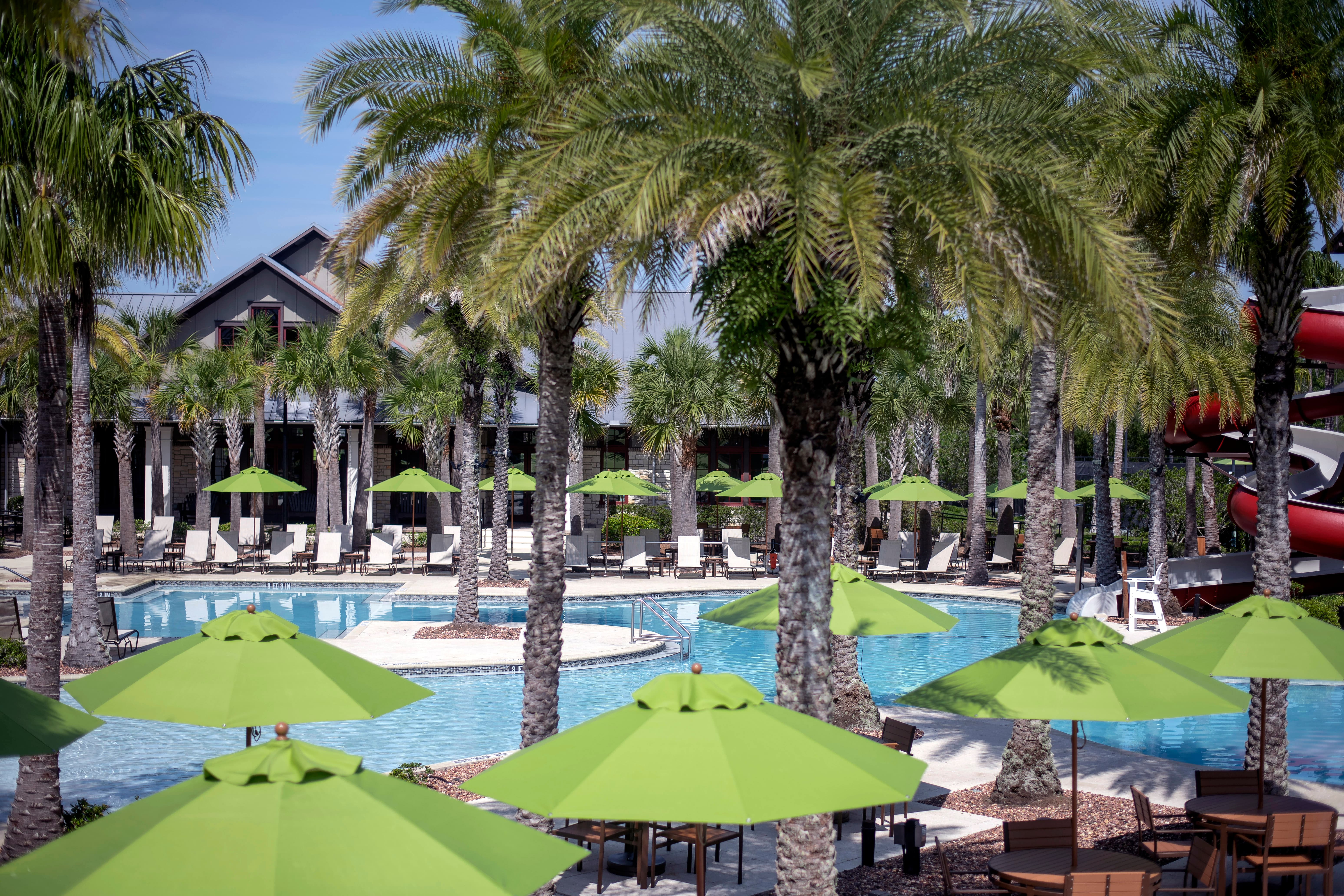
Umbrellas are sized appropriately for the space—often larger than expected—providing generous coverage and a stronger visual presence. Spacing is consistent, creating rhythm across a pool deck or dining terrace.
Nothing feels squeezed in. Nothing feels undersized.
This is one of the fastest ways to elevate a space. Undersized umbrellas tend to feel incidental—like an afterthought—while properly scaled options feel integrated and purposeful.
Materials Matter More Than You Think
In environments exposed to sun, wind, and constant use, materials quickly reveal their quality.
Luxury resorts prioritize materials that hold their appearance over time:
- Fabrics that resist fading and maintain color
- Frames that stay straight, stable, and aligned
- Canopies that remain taut rather than sagging or stretching
Because in these settings, durability isn’t just functional—it’s visual.
An umbrella that looks worn, even if it’s still technically usable, impacts the perception of the entire space.
They Design for Now and Long-term
A beautiful space on opening day is expected. What sets luxury environments apart is how they look months—and years—later.
That comes down to choosing products that are built to last:
- Structures that withstand repeated use and environmental stress
- Components that can be maintained or replaced as needed
- Materials that age gracefully rather than degrade quickly
This approach minimizes disruption and keeps the space looking consistent over time.
Luxury isn’t just created. It’s maintained.
Shade Is Integrated Into the Overall Design
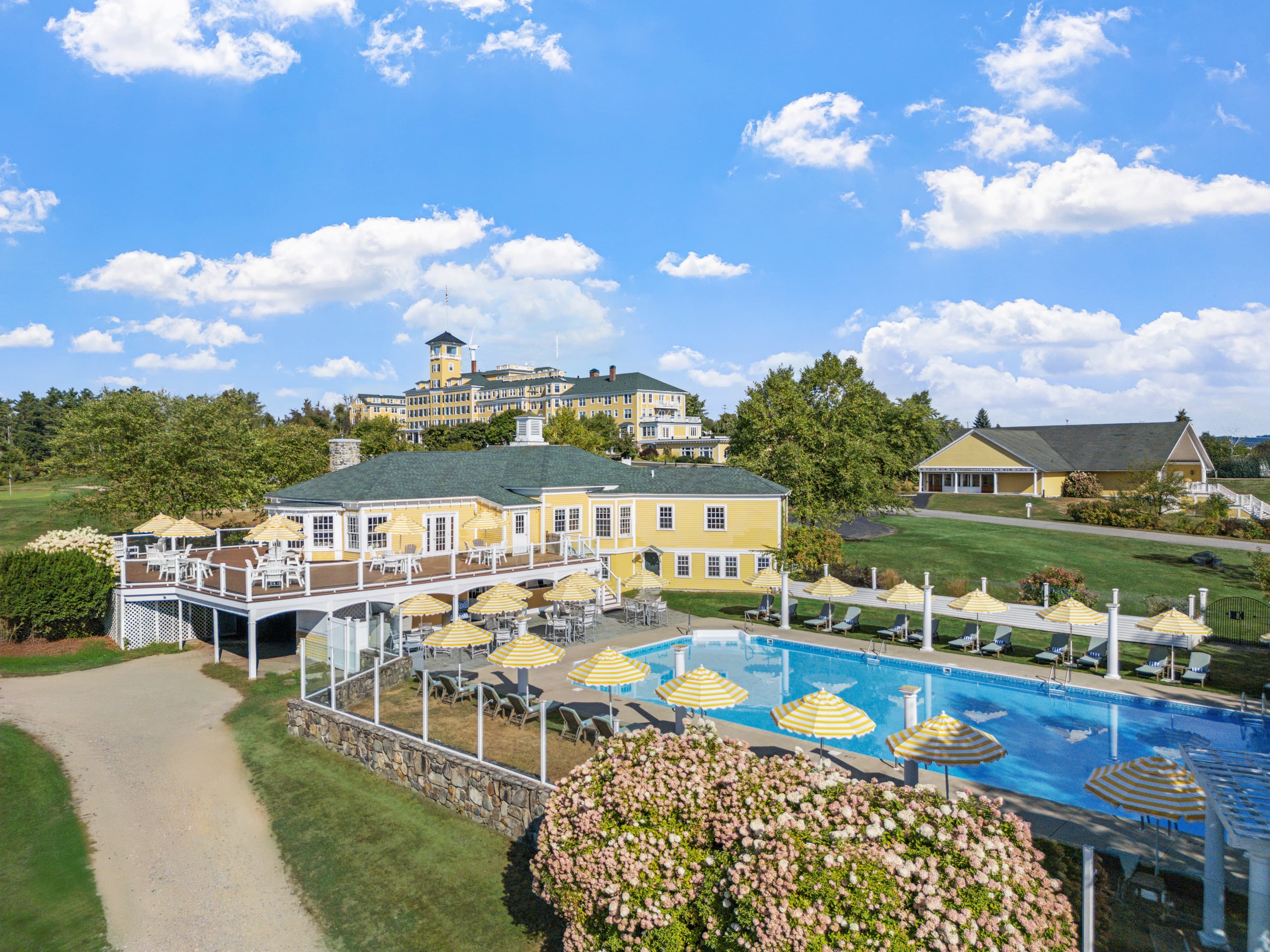
In the best outdoor spaces, umbrellas don’t feel like add-ons. They feel like part of the architecture.
They’re coordinated with:
- Furniture layouts
- Landscape design
- Architectural elements
Placement is deliberate, supporting how guests move through and experience the space.
Rather than filling gaps, shade becomes part of the identity of the environment, helping define how the space looks and how it functions.
Small Details Make a Big Difference
Often, it’s the smallest decisions that have the biggest impact
- Clean lines and well-structured canopies
- Thoughtful spacing between umbrellas
- Subtle finishing details that align with the overall design
These are the elements that guests may not consciously notice, but that shape their perception of quality.
In aggregate, they’re what separate a space that feels “nice” from one that feels exceptional.
What This Means for Your Space
You don’t need a five-star resort to apply these principles.
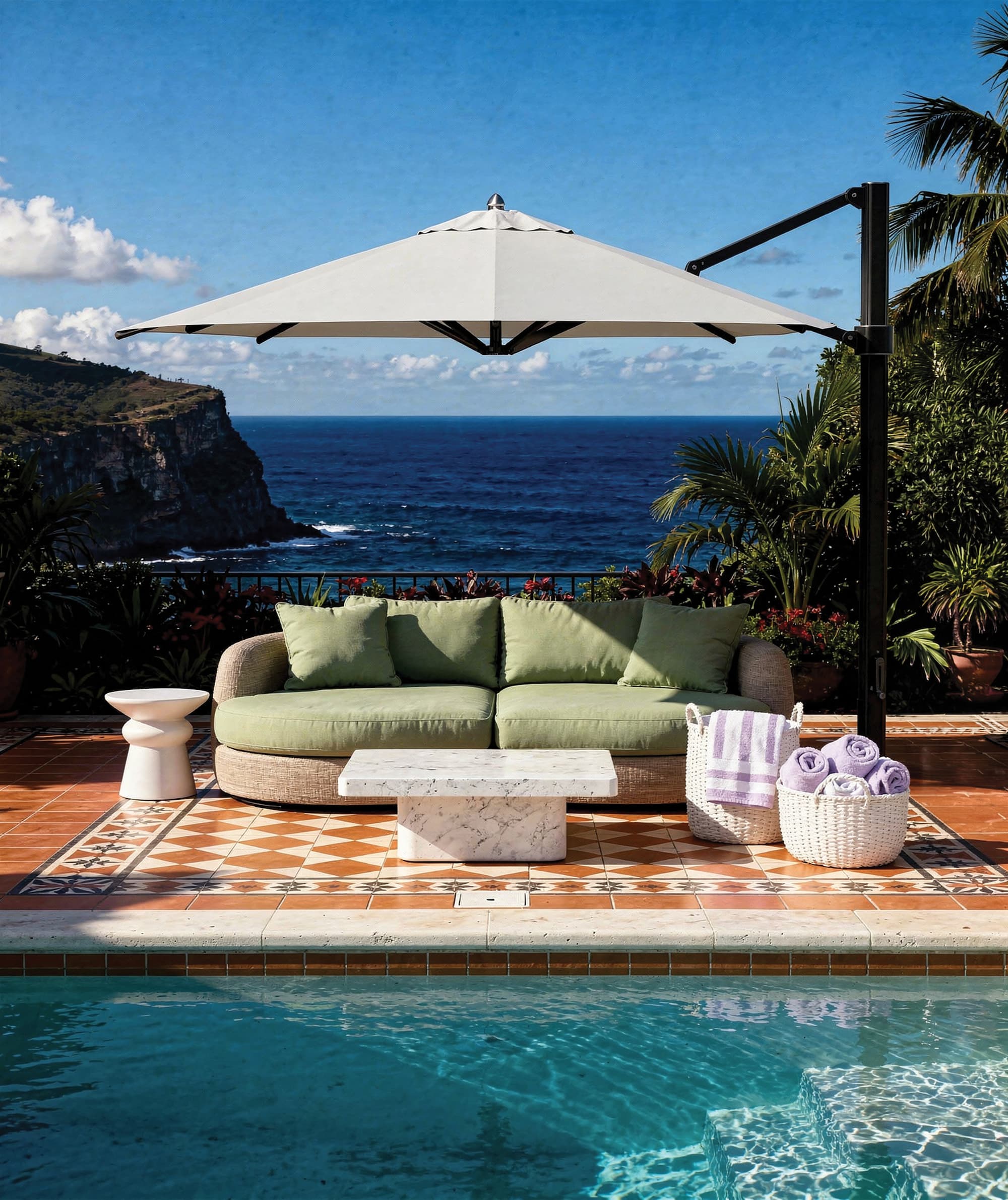
Whether you’re designing a hospitality environment, managing a property, or refining a residential outdoor space, the same ideas hold:
- Think beyond basic coverage
- Prioritize consistency and scale
- Choose materials that will hold up over time
- Treat shade as an integral part of the design—not a final step
The difference between functional and exceptional is rarely dramatic. More often, it’s the result of a series of thoughtful, intentional decisions.
The Bottom Line
Great outdoor spaces don’t happen by accident.
They’re the result of careful choices—about layout, materials, and the details that shape how a space is experienced day to day.
A great place to start is by choosing umbrellas that are designed intentionally and durably: Explore Frankford’s full catalog of umbrellas.